


Objašnjenje točke rosišta
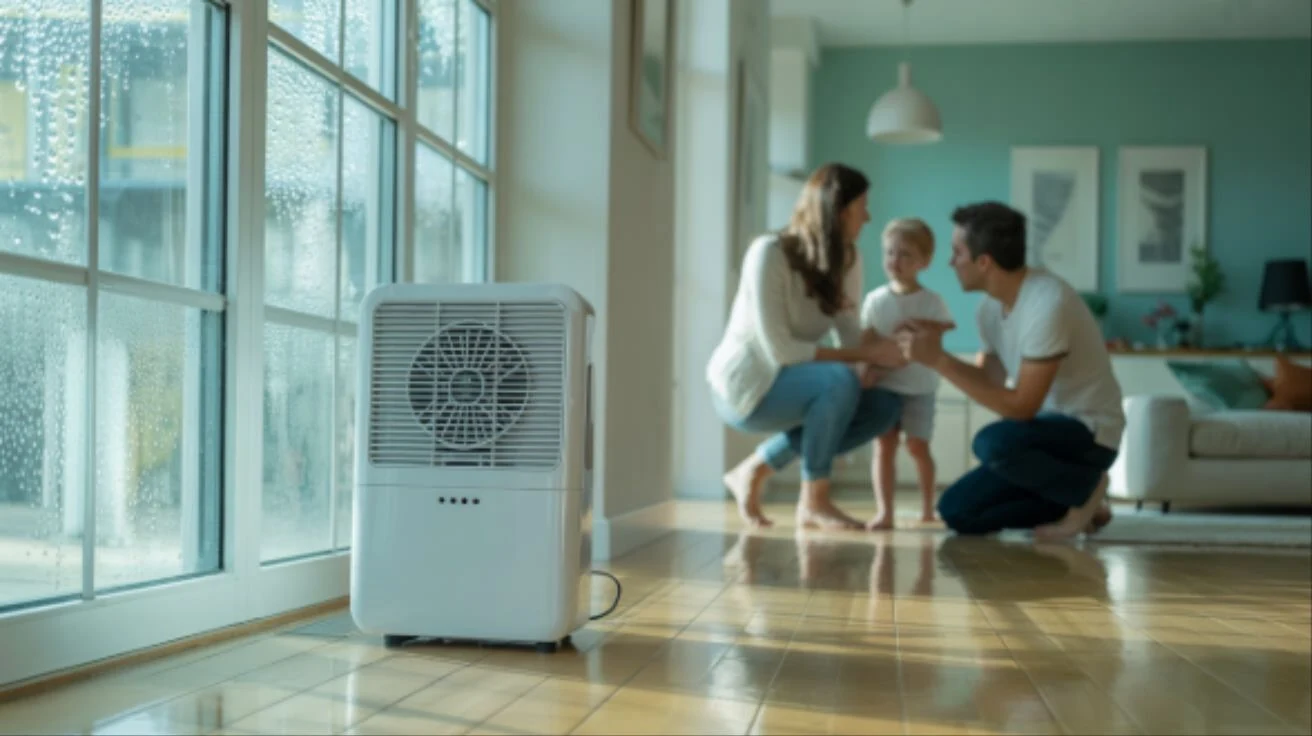
Kondenzacija control ovisi na topao surfaces, ispravan slojeve zida i reliable zrak exchange prije vlaga becomes rizik od plijesni.
Točka rosišta
Page 01 / 04točka rosišta nije defect. defect je omogućujući dew-point conditions u occur na hladan surface ili unutar hidden sloj to cannot suho safely.
točka rosišta je temperature na koji voda vodena para u zrak begins u become liquid voda. U zgrada zid, pitanje nije whether točka rosišta exists somewhere u izračun. pitanje je gdje to critical condition falls, kako often ono occurs i whether materijal može tolerate i suho vlaga.
Ako ovojnica je poorly izoliran, interrupted prema toplinski mostovi, leaky u unutarnji zrak ili under-ventilated, some surfaces može biticome too hladan. Uglovi, prozor reveals, rub pločes, roof-wall spojeve i hidden interfaces behind izolacija su especially sensitive.
Ovo je zašto kontinuitet izolacije matters. well-designed vanjska izolacija strategija pomaže zadržati konstrukcijski zid i unutarnji surfaces toplije i more stable, smanjujući chance to kondenzacija forms gdje ono je hard u vidjeti, suho ili repair.
Why it matters to monitor
Moisture risk usually grows before it is visible. The usual causes are a wrong wall build-up and insulation strategy, and insufficient room ventilation / air exchange. Tracking temperature, indoor humidity and cold junctions gives time to correct these details before damp surfaces become mould conditions.
Condensation
Cold surfaces can collect moisture when indoor air reaches dew-point conditions near the surface or inside a layer.
Mould risk
Persistent dampness creates conditions where mould can grow, especially in corners, reveals and poorly ventilated areas.
Lower insulation performance
Wet insulation can perform worse than dry insulation and make the wall less predictable than the design calculation.
Finish and layer damage
Repeated moisture cycles can damage plaster, paint, boards, fixings and hidden layers before the issue is visible.
Material Risk
Page 02 / 04Dew point becomes dangerous kada materijal around ono može hold voda, lose toplinski resistance ili pass vlaga deeper u konstrukcija.
External izolacija je ne samo o moving temperature drop outward. materijal itself matters. Some izolacija types resist liquid voda i recover more predictably, dok fibrous ili porous materijali može lose performanse quickly kada vlaga je trapped unutar them.
S vanjski EPS, graphite EPS ili Neopor-type izolacija, critical temperature zona je moved outward u sloj to nije projektiran u act kao capillary vlaga reservoir. sklop i dalje treba ispravan spojevi, render, drenaža, flashing i zrakonepropusnost, ali izolacija je less sensitive u temporary vlaga nego fibrous open izolacija.
S mineral wool, wood-fibre boards such kao Steico-type izolacija ili similar vodena para-open fibrous materijali, rizik logika changes. Ako ugradnja, zrakonepropusnost, render, flashing ili voda zaštita je wrong, vlaga može form ili biti trapped unutar sloj izolacije. Once to izolacija becomes mokro, njegov toplinski resistance može drop sharply.
Moisture enters insulation
Air leakage, rainwater, poor render, weak flashing or weak vapour control allows moisture into the layer.
Fibrous insulation gets wet
Mineral wool or wood fibre can hold moisture in its structure when drying is not sufficient.
Thermal resistance drops
The layer conducts more heat and no longer performs like the dry design calculation.
Dew point moves inward
The colder zone can shift back toward the wall surface or into the AAC itself.
Wall becomes wet
AAC can lose thermal and mechanical performance when persistently wet, and hidden mould risk rises.
Internal Insulation
Page 03 / 04Internal izolacija je technically possible u selected retrofit cases, ali ono treba biti treated kao exception, ne poželjan strategija za external zidovi.
Use a continuous exterior insulation envelope wherever the project allows it.
Za new gradnja i deep retrofit projekti, external izolacija zida keeps nosivi jezgra toplije, protects konstrukcija i makes toplinski kontinuitet lakše around slabs, uglovi, prozor reveals i roof-wall spojeve.
Internal izolacija zida može look easy jer ono može biti ugrađen od room side. U građevinska fizika, however, ono je usually weaker i more sensitive strategija. konstrukcijski zid behind ono becomes colder i less connected u indoor warmth.
To colder hidden zona može move dew-point i rizik od kondenzacije prema interface between izolacija i zid. Ako topao unutarnji zrak leaks u to zona, vlaga može form gdje ono je difficult u vidjeti, suho ili repair.
Colder structural wall
The wall behind the insulation becomes colder and less able to buffer indoor temperature swings.
Hidden condensation risk
Moisture can form behind the insulation or inside the wall assembly, where it is difficult to detect.
More thermal bridges
Floors, partitions, slab edges, corners and window reveals interrupt the insulation layer.
More sensitive detailing
Airtightness, vapour control, sockets, pipes, window reveals and junctions become less forgiving.
When internal insulation may be used
Internal insulation may be considered when exterior insulation is not possible, for example in protected historic buildings, strict facade restrictions or partial retrofit situations. In these cases it must be designed with project-specific hygrothermal assessment, airtightness detailing, vapour-control strategy and ventilation design.
Wall Logic
Page 04 / 04Isti zid, različit izolacija pozicija: exterior-first izolacija keeps jezgra toplije; internal izolacija može stvoriti hidden hladan interface.
Exterior-first insulation
Main insulation is placed outside the load-bearing concrete core. The wall stays closer to the indoor thermal zone, while the colder part of the temperature drop happens outside the structure.
- Warmer structural core.
- More stable interior surface.
- Lower risk of hidden condensation.
- Better default logic for new construction and deep retrofit.
Related Tech Lab pages
Continue with the main wall-system and continuous-envelope notes to connect moisture safety with product layer logic.
Tehnički reference
Use these as orientation sources. Final design should be checked by the project engineer using the actual wall build-up and climate assumptions.
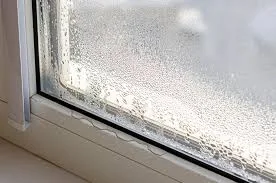
Visible signs of condensation problems



More Tech Lab articles.
 Passive House Block Walls
Exterior insulation, reinforced concrete core and the build logic behind the main wall system.
Read article
Passive House Block Walls
Exterior insulation, reinforced concrete core and the build logic behind the main wall system.
Read article
 Continuous Thermal Envelope
How insulation, airtightness and thermal-bridge control stay continuous around the building.
Read article
Continuous Thermal Envelope
How insulation, airtightness and thermal-bridge control stay continuous around the building.
Read article
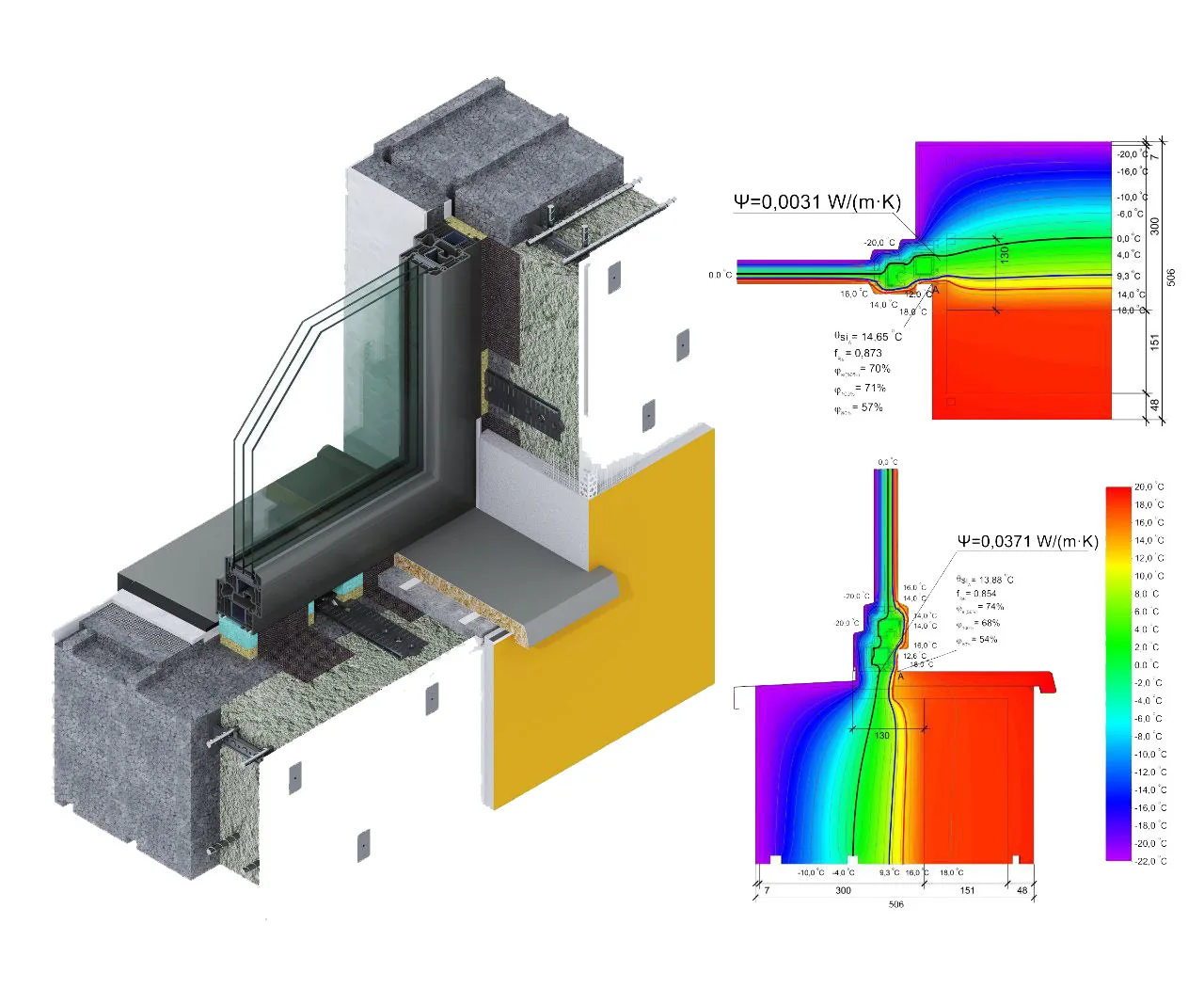 Warm Window & Door Installation
Installation detail for frames, insulation-line connection and airtight-layer sealing.
Read article
Warm Window & Door Installation
Installation detail for frames, insulation-line connection and airtight-layer sealing.
Read article