







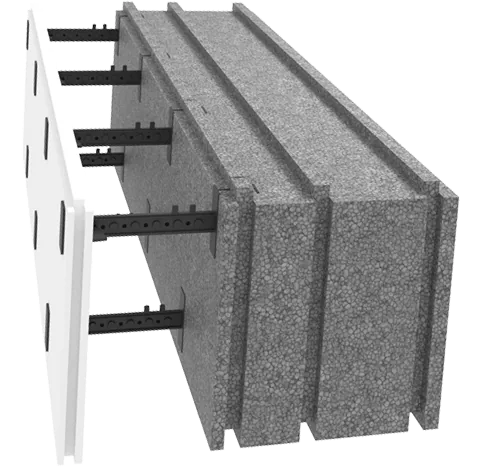
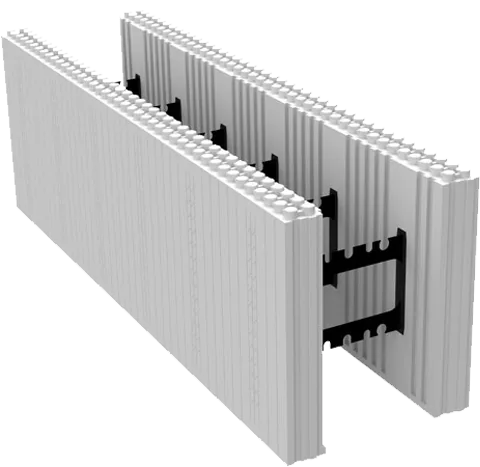
You heat the house much less, and the required heating equipment can often be specified several times smaller than in a conventional envelope.
Envelope-first logic
Heat pumps, ventilation units and solar panels are excellent technologies. But the first layer of energy efficiency should be the building itself: a low-loss envelope that works silently, every day, without software, spare parts or maintenance cycles.
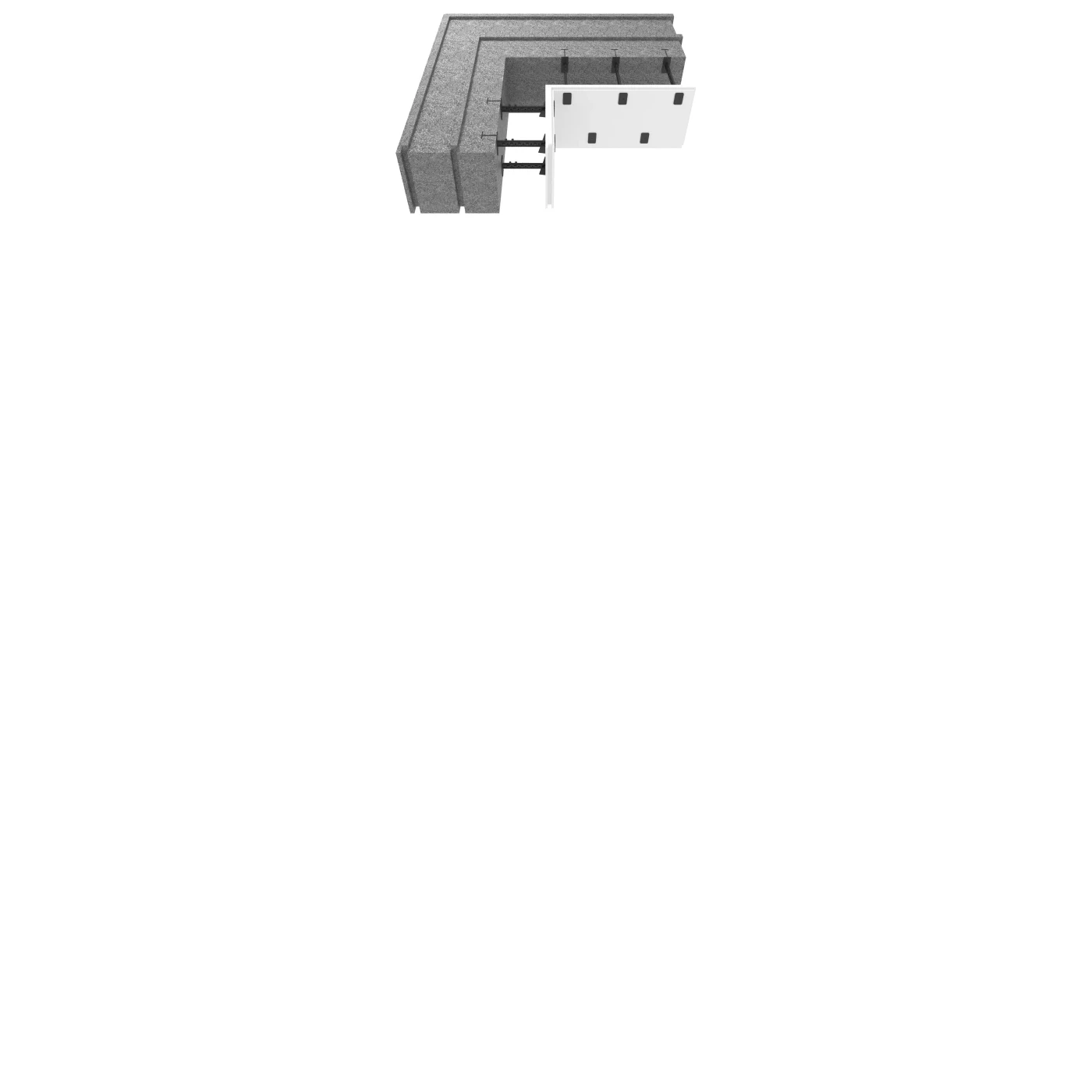
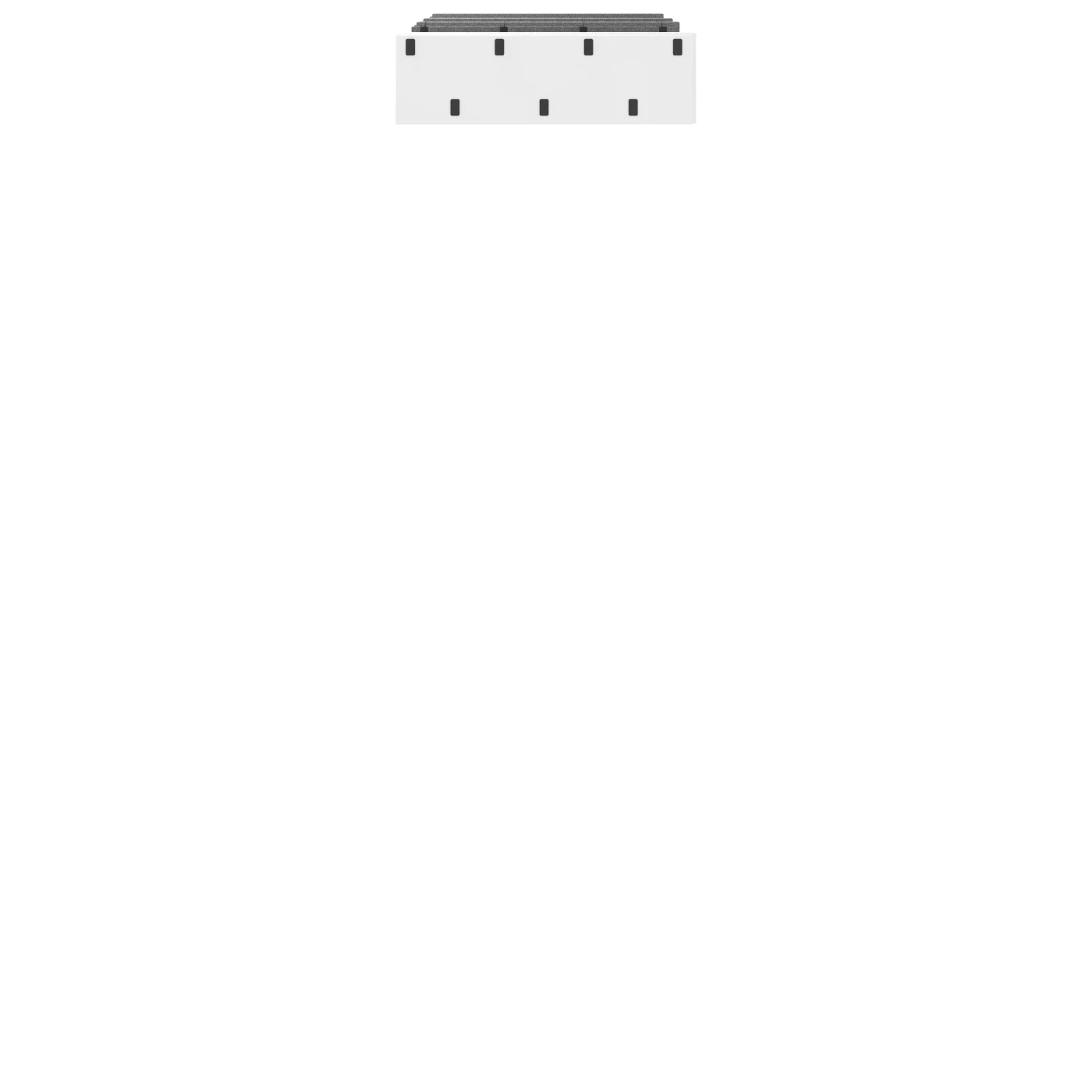
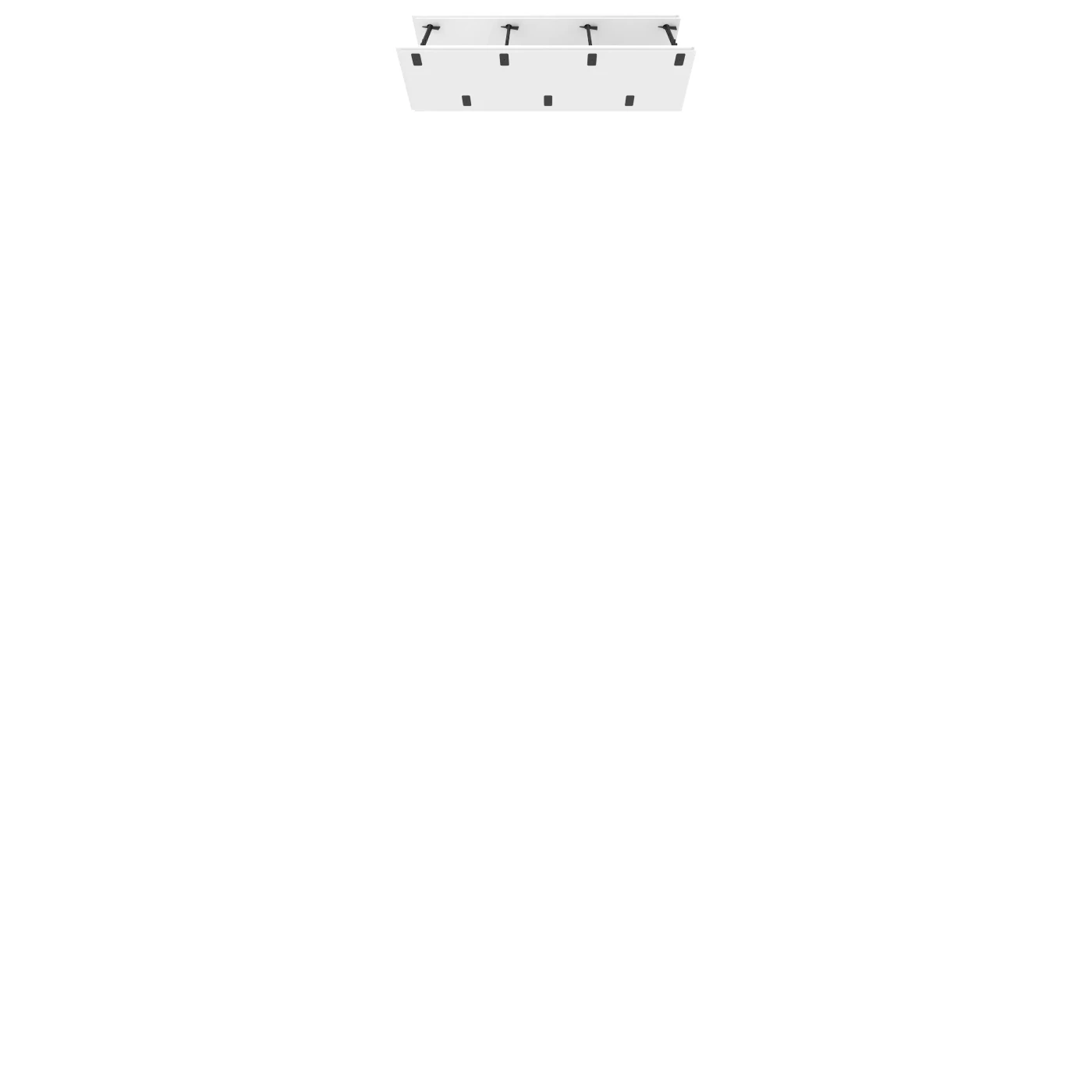
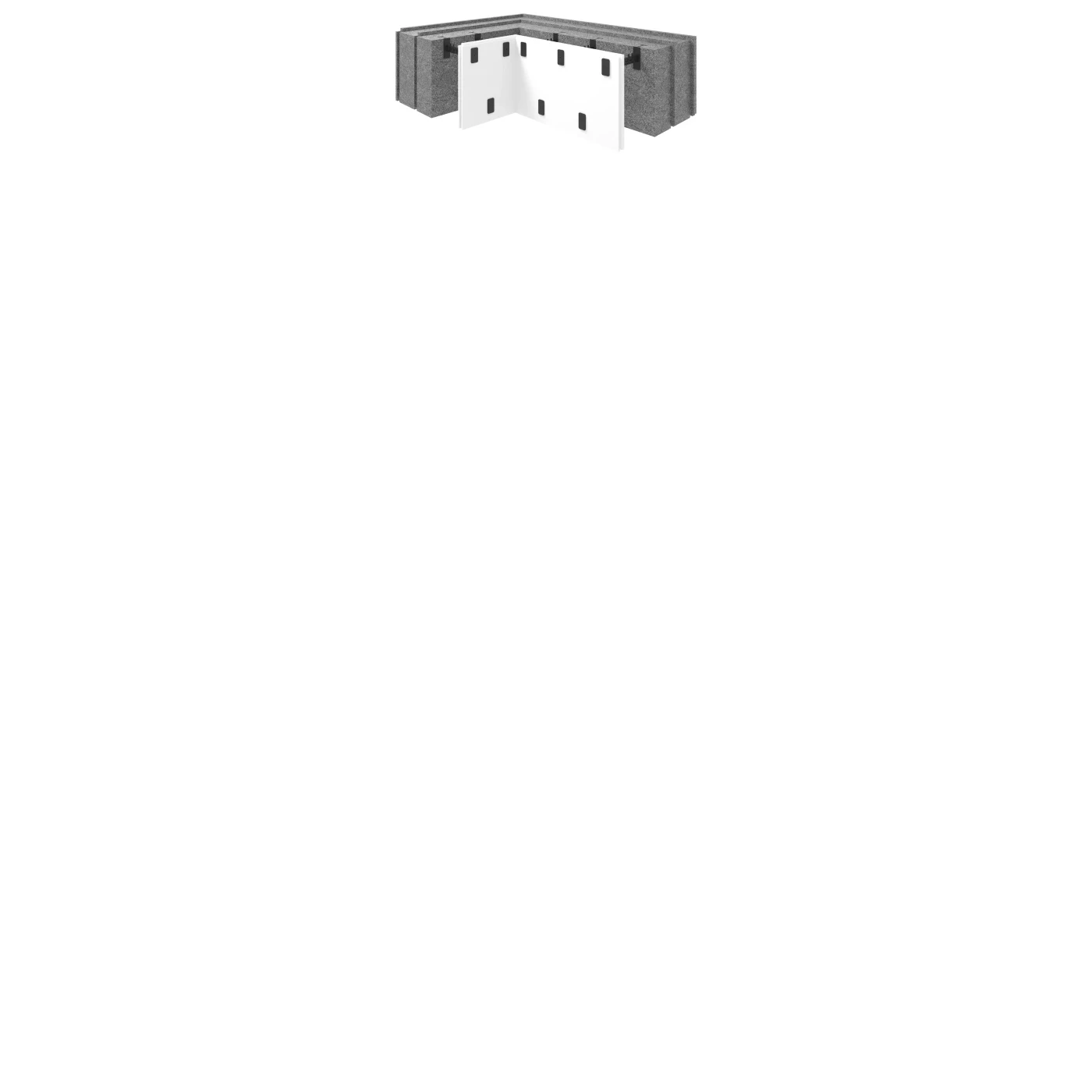
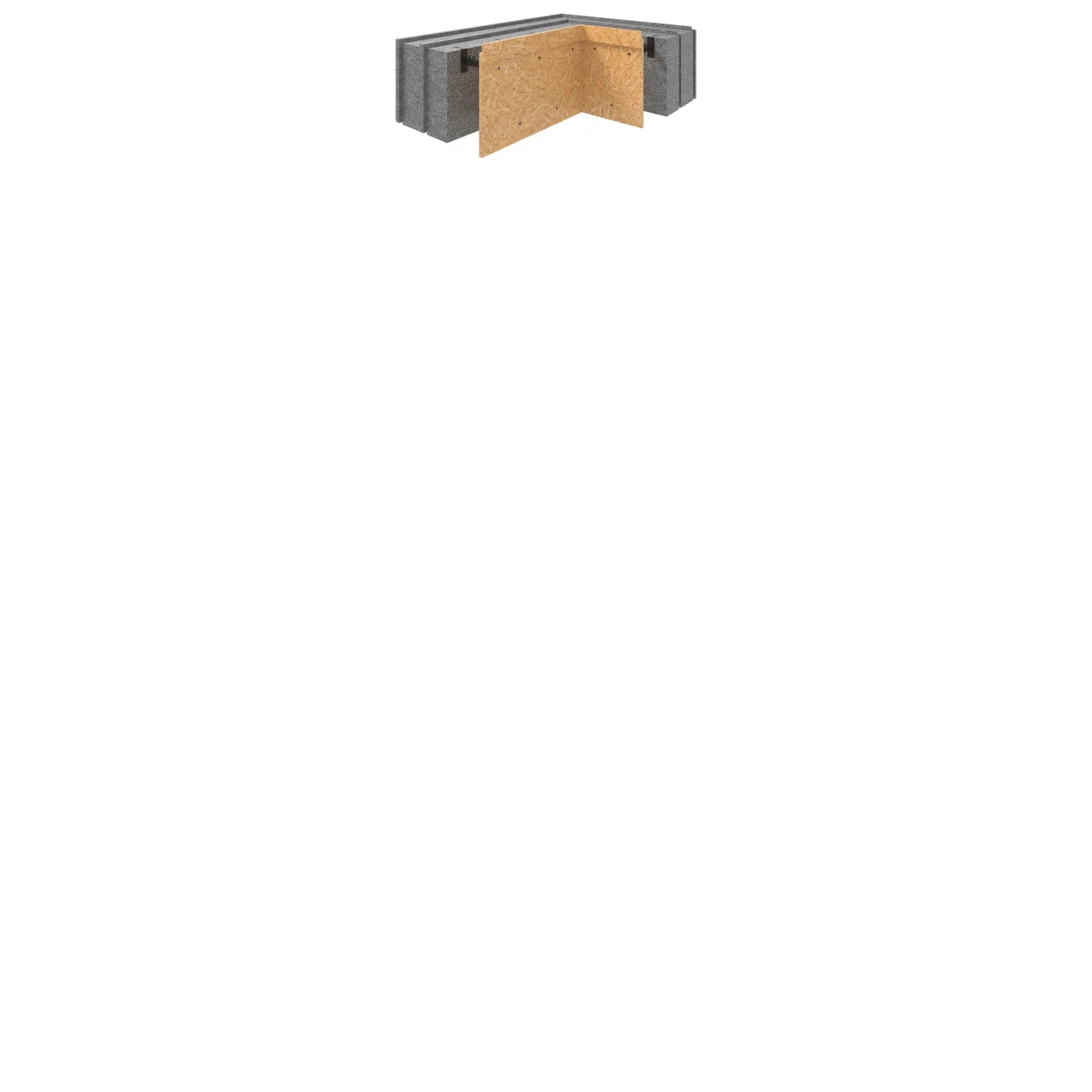
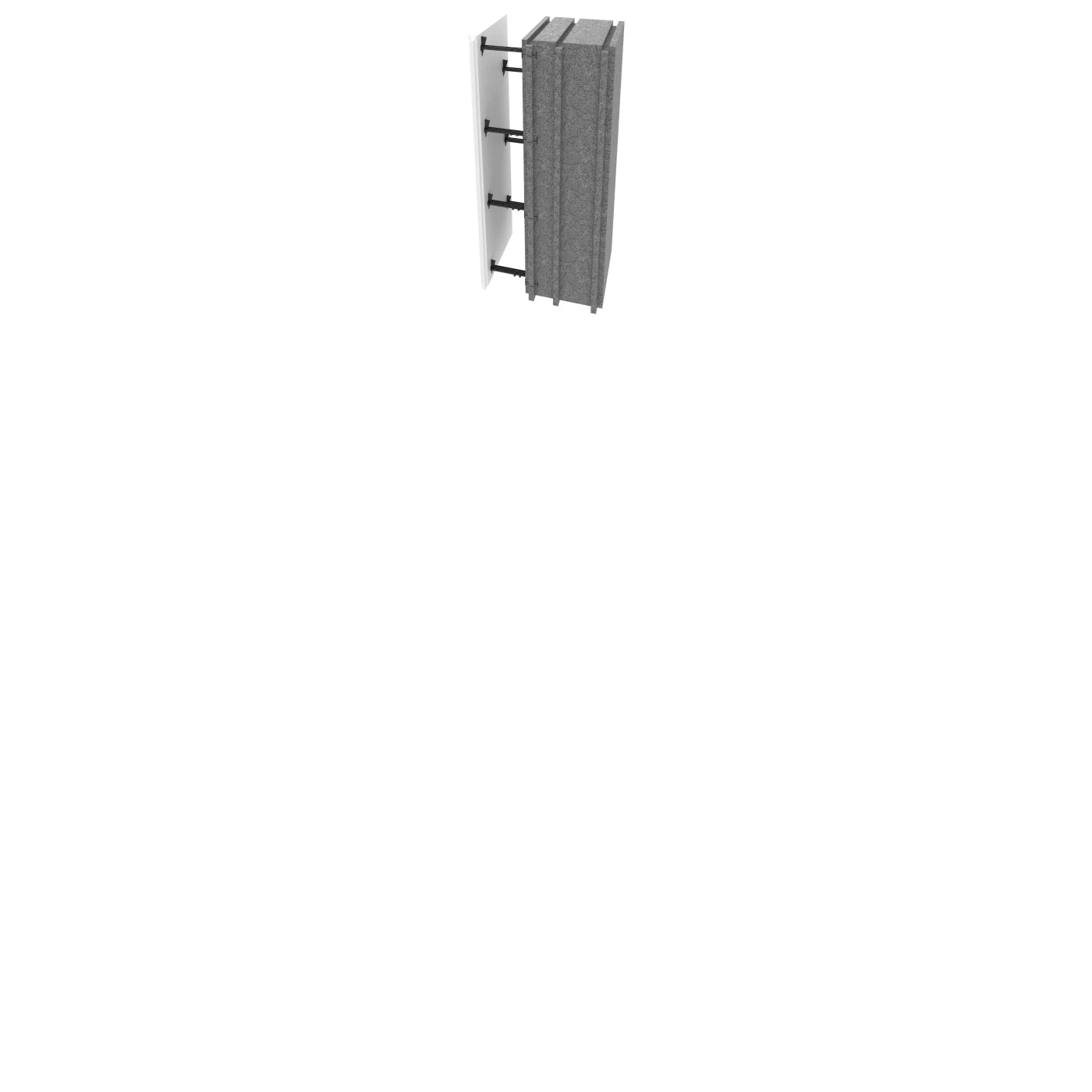
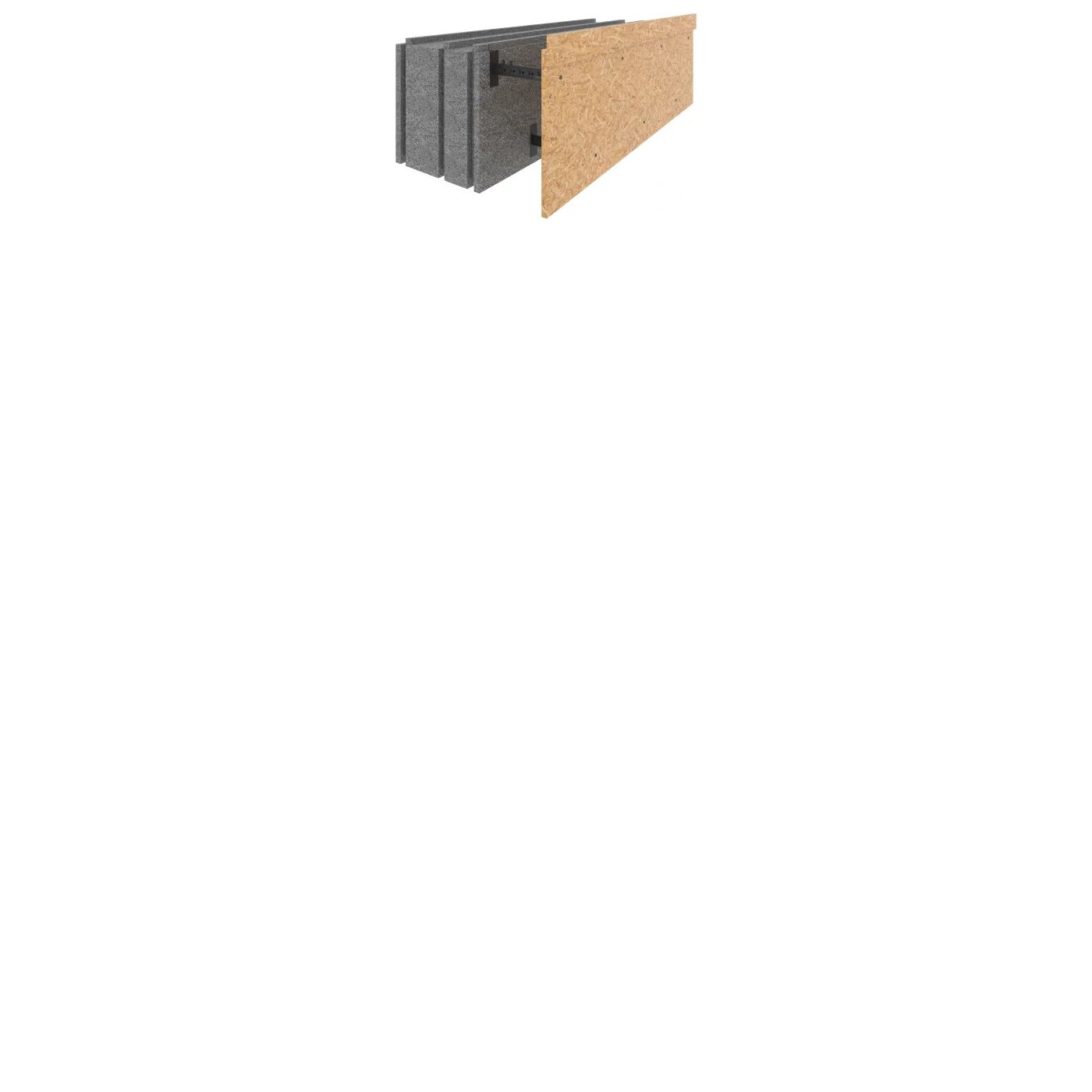
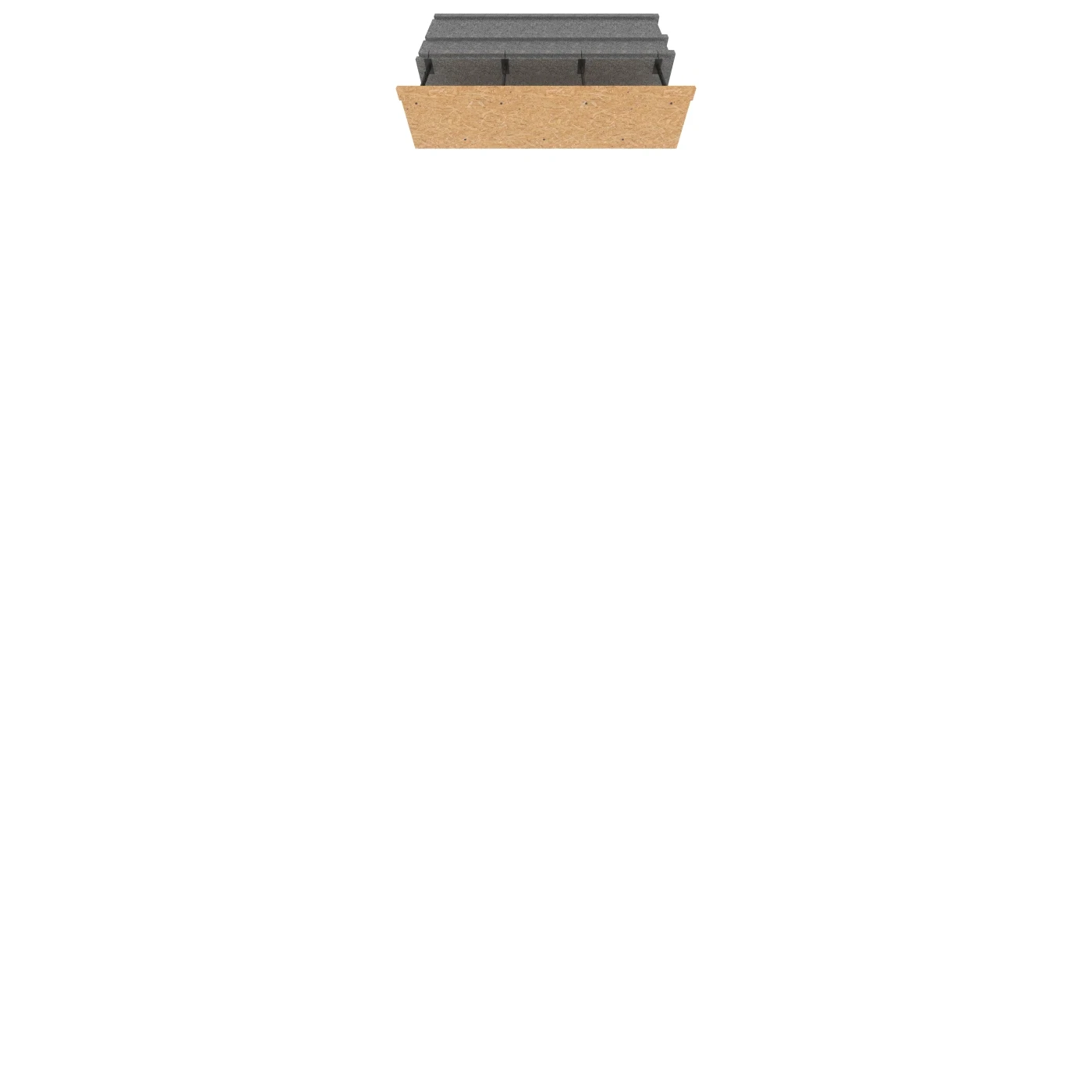
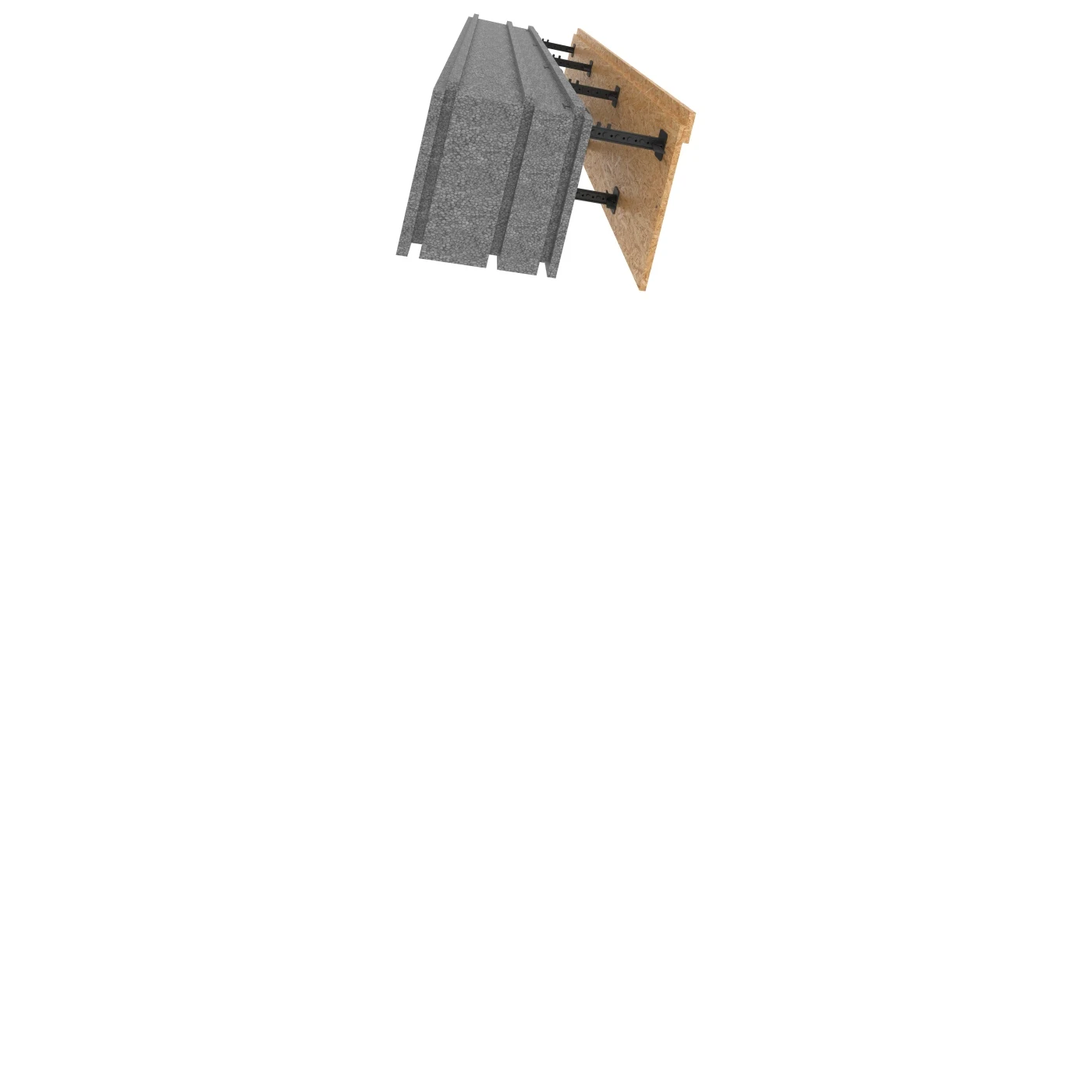
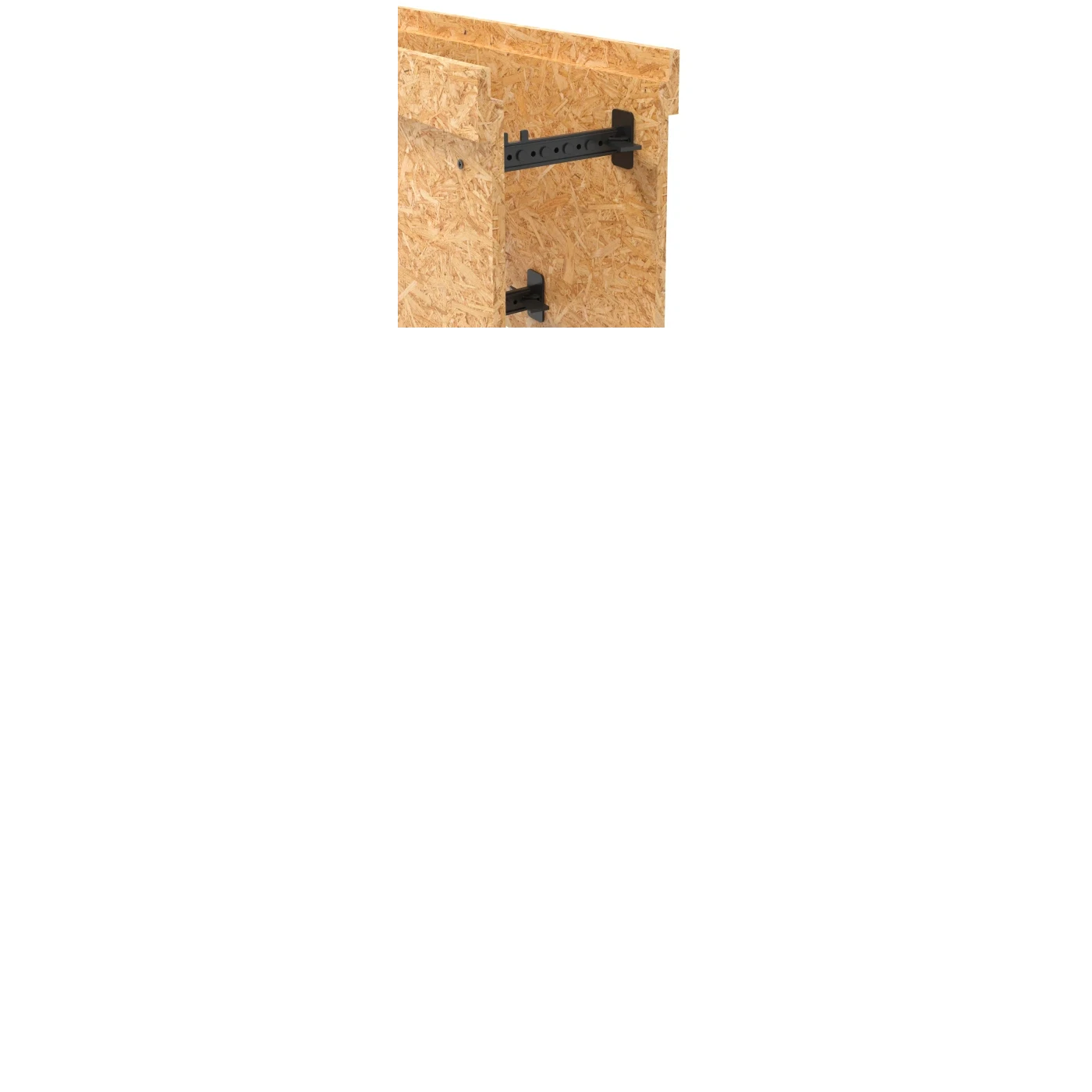
System comparison
Two wall logics
Passive House Block principle
How the wall keeps summer heat outside
Outdoor heat reaches the insulation and is reflected back outward. The indoor side stays cool, with calm blue air movement and no active cooling sequence.
1. Indoor air
Cool indoor air stays at +23°C
2. Load-bearing wall
Cool wall surface
3. Neopor insulation
Reflects heat back outside
4. Summer outside air
Outdoor heat stays active
Thermoblock principle
Thermoblock winter heat path
The concrete core is separated from the room by inner insulation, so it cannot work like the warm-side accumulator in Passive House Block.
1. Indoor air
Heating is off
2. Inner insulation
Inner EPS/XPS layer
3. Concrete core
Cold concrete core
4. Outer insulation
Outer EPS/XPS layer
5. Winter outside air
Outdoor air stays at -10°C

How it works
Inertial house explained.
When heating turns off, a warm-side concrete core can keep working as a slow thermal accumulator. Exterior insulation keeps that core inside the protected envelope; inner insulation breaks the direct exchange between the room and the structural mass.
Same core, different behavior
The same concrete core behaves differently when insulation is outside it versus split around it.
Mass inside the envelope
With exterior insulation, the load-bearing core belongs to the indoor thermal zone. With split inner/outer insulation, the room is insulated from the concrete, so the core is less available for comfort, heat storage and moisture-safe temperature control.

Wall System Selector
Choose your wall strategy.
Select the climate, performance target and design priority to see which Passive House Block wall system is the best starting point.
Climate
Target
Priority
Recommended starting point
NZEB Wall System - 200 mm
Best default balance for many low-energy European projects.
Indicative insulation-layer U-value: 0.160 W/m²KIndicative guidance only. Final wall performance must be verified for the complete wall build-up, including concrete core, finishes, geometry, junctions, thermal bridges, airtightness and local calculation method.
Wall System Options
Four insulation levels, one envelope logic.
Choose the insulation thickness by climate, target U-value and wall strategy. Indicative layer-only values use graphite EPS / Neopor, λ = 0.032 W/m·K.
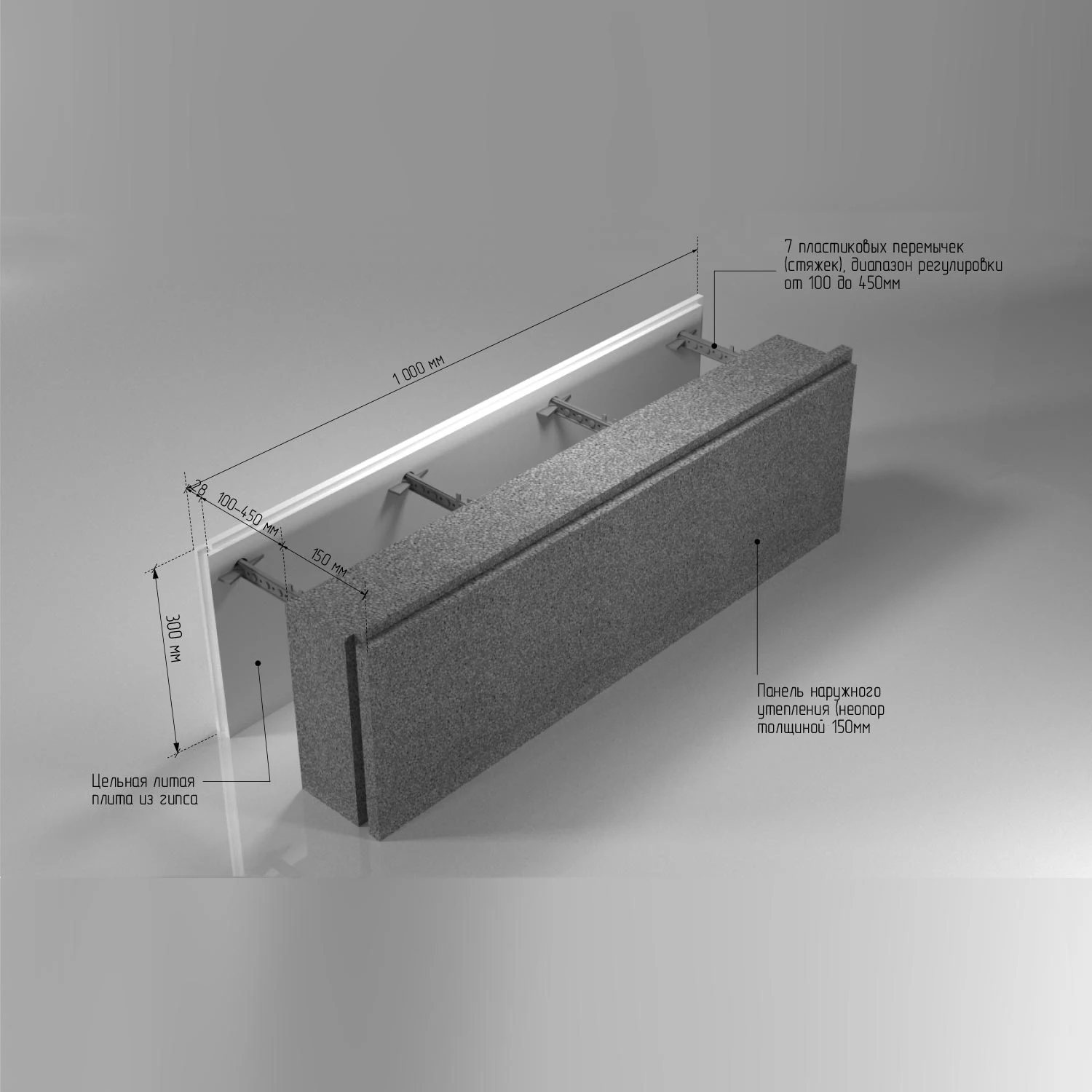
Energy+ Wall System
150 mm insulation option
RSI / metric R: 4.69 m²K/W
US R-value: R-26.6
Indicative U-value: 0.213 W/m²KBest for: warm climates, compact walls, above-code projects.Watch out: not intended as the strongest passive-house-oriented option for colder climates.
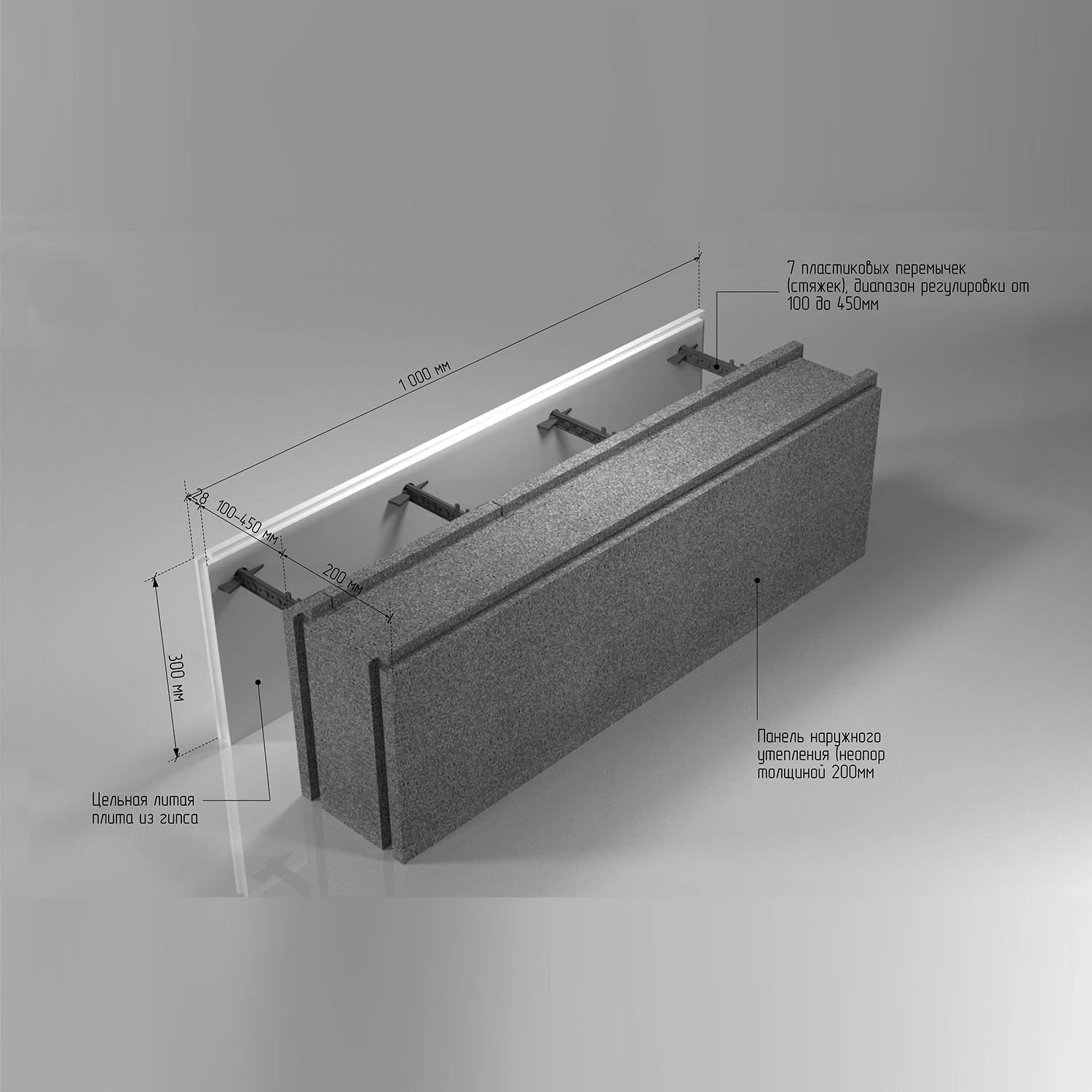
NZEB Wall System
200 mm insulation option
RSI / metric R: 6.25 m²K/W
US R-value: R-35.5
Indicative U-value: 0.160 W/m²KBest for: balanced low-energy European housing.Watch out: final performance still depends on windows, roof, slab, airtightness and thermal bridges.
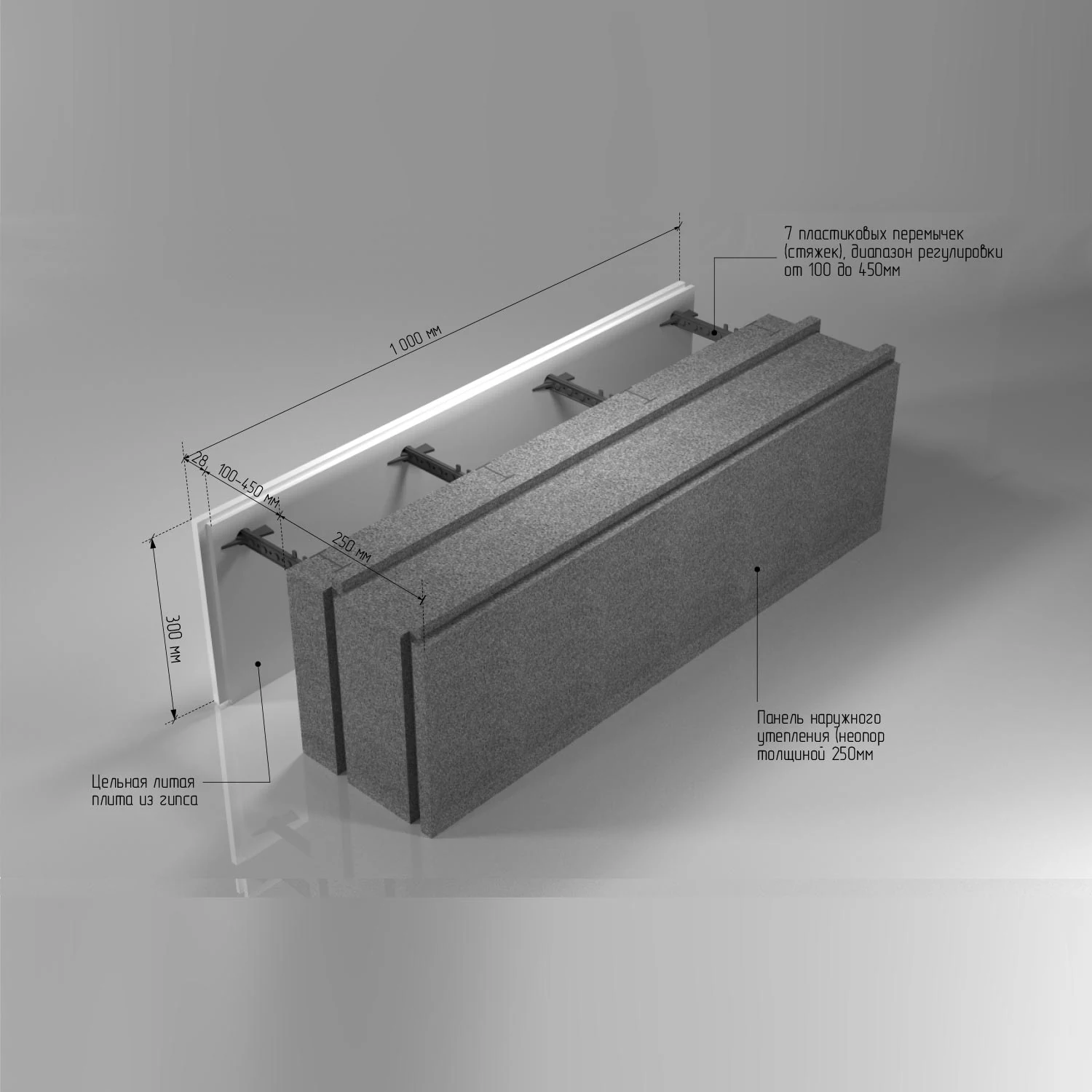
NZEB+ Wall System
250 mm insulation option
RSI / metric R: 7.81 m²K/W
US R-value: R-44.4
Indicative U-value: 0.128 W/m²KBest for: lower heat loss, cooler climates and stronger envelope targets.Watch out: wall thickness and detailing should be coordinated early with openings and foundations.
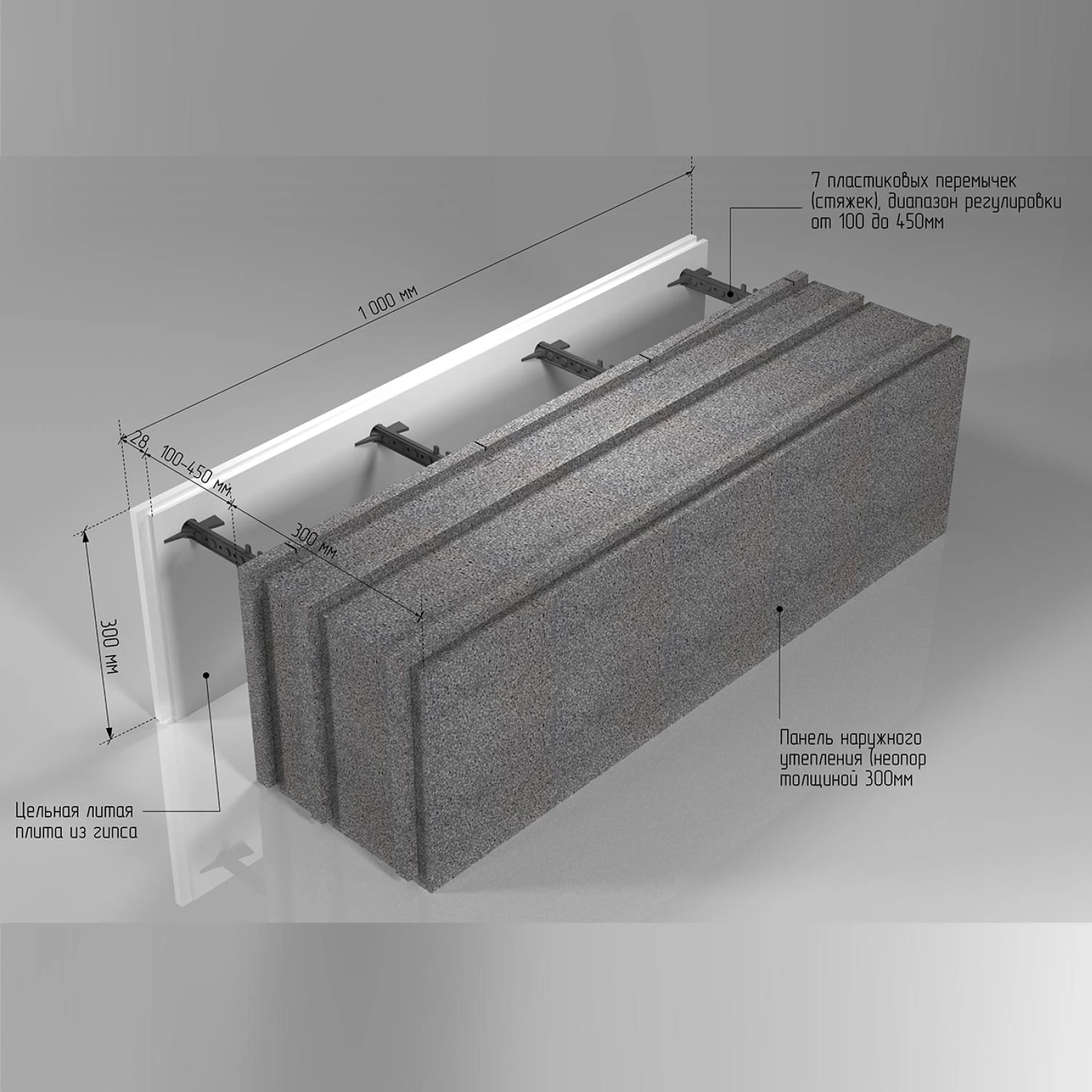
Passive House Block
300 mm insulation option
RSI / metric R: 9.38 m²K/W
US R-value: R-53.2
Indicative U-value: 0.107 W/m²KBest for: maximum envelope performance and passive-house-oriented wall assemblies.Watch out: layer-only values are not a full building certification.
No certification claim: RSI, R-value and U-value figures are indicative and calculated for the insulation layer only. Final wall performance must be calculated for the complete wall build-up according to EN ISO / HRN EN ISO 6946, including concrete core, finishes, geometry, junctions and thermal bridges.
International Benchmarks
U-value benchmarks, side by side.
Lower U-value means lower heat loss. The comparison below is a benchmark guide, not a certification statement.
| Benchmark reference | Target | Energy+0.213 | NZEB0.160 | NZEB+0.128 | PHB0.107 |
|---|---|---|---|---|---|
| UK Part L — limiting wall value, new dwellings | U ≤ 0.26 W/m²K | Pass | Pass | Pass | Pass |
| UK Part L — extensions / new fabric elements in existing dwellings | U ≤ 0.18 W/m²K | No | Pass | Pass | Pass |
| Germany GEG — reference residential external wall | U = 0.28 W/m²K | Pass | Pass | Pass | Pass |
| Germany GEG — external wall renovation / component benchmark | U ≤ 0.24 W/m²K | Pass | Pass | Pass | Pass |
| Ireland TGD L — new dwelling wall average | U ≤ 0.18 W/m²K | No | Pass | Pass | Pass |
| Croatia — strict end of new-building wall range | U ≤ 0.30 W/m²K | Pass | Pass | Pass | Pass |
| Italy — strict end of new-building wall range | U ≤ 0.24 W/m²K | Pass | Pass | Pass | Pass |
| Netherlands — new-building wall benchmark | U ≤ 0.22 W/m²K | Pass | Pass | Pass | Pass |
| Sweden — new-building wall benchmark | U ≤ 0.18 W/m²K | No | Pass | Pass | Pass |
| Finland — stricter end of new-building wall range | U ≤ 0.17 W/m²K | No | Pass | Pass | Pass |
| Luxembourg — high-performance wall benchmark | U ≤ 0.13 W/m²K | No | No | Pass | Pass |
| PHI warm-temperate component benchmark | U ≤ 0.25 W/m²K | Pass | Pass | Pass | Pass |
| PHI cool-temperate Passive House benchmark | U ≤ 0.15 W/m²K | No | Close | Pass | Pass |
| PHI cold-climate component benchmark | U ≤ 0.12 W/m²K | No | No | Close | Pass |
| PHI arctic component benchmark | U ≤ 0.09 W/m²K | No | No | No | No |
Benchmark guide, not certification.
The comparison shows indicative insulation-layer U-values only. Passing a benchmark row does not mean product certification, project certification or full building compliance.
Warm-climate objection
Warm walls are not only for cold countries.
Winter logic
Less heat loss, warmer internal surfaces and lower heating demand.
Summer logic
Slower heat gain, lower air-conditioning demand and more stable indoor temperature.
Moisture logic
Lower condensation risk, calmer internal surfaces and reduced mould risk.
Why Insulation First
Lower demand before technology has to work.
Equipment solves demand after it exists.
Heat pumps, air handlers, photovoltaics and smart controls can be excellent choices, but they still have service lives, maintenance needs, operating limits and replacement cycles.
If the envelope is weak, equipment must constantly compensate for heat loss, overheating, drafts and thermal bridges.
Insulation reduces demand before it starts.
A strong wall envelope quietly lowers heat loss every hour of the building's life. It has no compressor, no software, no filter, no moving parts and no service interval.
Better insulation makes every later system smaller, calmer and less critical.
Practical sequence: reduce losses first, then size systems. The more the building does passively, the less mechanical equipment has to correct actively.
Material Comparison
Same R-value, different thickness.
Different insulation and masonry materials can reach the same R-value with different thicknesses. This comparison is a physics reference, not a full wall assembly specification.
Formula cardRSI = layer thickness / λ. U-value = 1 / RSI.Graphite EPS / Neopor remains the reference material. The table below compares layer-only thicknesses needed to reach the same target RSI.
| Material / wall type | Typical lambda | Notes |
|---|---|---|
| Graphite EPS / Neopor | 0.032 W/m·K | Reference value used for the Passive House Block wall-system options above. |
| White EPS | 0.039 W/m·K | Requires more thickness to reach the same insulation resistance. |
| Mineral wool (ideal dry) | 0.040 W/m·K | Ideal dry-condition calculation for facade basalt/mineral wool. |
| Mineral wool (wet / dew point) | 0.060 W/m·K | Installation error or dew point inside the insulation layer: moisture raises lambda and the same R-value needs more thickness. |
| PIR / PUR board | 0.022 W/m·K | Higher thermal resistance per millimetre; assembly, cost and fire detailing must be considered. |
| Wood fibre insulation | 0.040 W/m·K | Can support bio-based wall strategies, but needs careful moisture and assembly design. |
| Autoclaved aerated concrete (gas block) | 0.150 W/m·K | Lightweight masonry with better insulation than dense masonry, but a very thick wall is needed to match RSI 6.25 without added insulation. |
| Clay brick masonry | 0.650 W/m·K | Brick is useful for structure, durability and thermal mass; by itself it is not an efficient insulation layer. |
| Hollow ceramic brick | 0.240 W/m·K | Voids improve thermal resistance compared with dense brick, but the wall still needs substantial thickness or added insulation. |
| Ytong AAC block | 0.090 W/m·K | High-insulation AAC product class; exact lambda depends on density and the selected Ytong block. |
Formula: RSI = layer thickness / λ. U-value = 1 / RSI. Fixed target: 200 mm NZEB reference, RSI 6.25 (U-value 0.160 W/m²K). Each material gets a fixed 0-6 m drawing scale; thickness values are layer-only equivalents using RSI = thickness / λ. In a real wall, the final result must include all layers and thermal bridges.
Equivalent thickness
How much wall is needed to match
300 mm Passive House Block insulation?
Reference: 300 mm Passive House Block insulationThe comparison below shows layer-only equivalent thickness. It is useful for scale, but it is not a full wall assembly specification.
MaterialEquivalent
Gas block / AAC≈ 1.41 m
Ceramic hollow block≈ 2.25 m
Clay brick≈ 6.10 m
Ytong AAC≈ 0.84 m
Mineral wool, ideal dry≈ 375 mm
Mineral wool, wet / dew point≈ 563 mm
Moisture sensitivity
Mineral wool, gas block / AAC and Ytong rely on air-filled fibres or pores. If the dew point sits inside that layer and condensation wets it, water replaces air, effective λ rises and the material can lose much of its insulation value until it dries.
Where wall performance is usually lost
Weak Points Lab
01Window installation plane
Frames should connect to the insulation line, not sit as a cold bridge at the structural edge.
02Door threshold
The bottom connection is often where insulation, airtightness and water protection fail.
03Slab-to-wall connection
Foundation and wall insulation must connect continuously.
04Roof-to-wall connection
The thermal envelope must remain continuous at the top of the wall.
05Balcony and canopy brackets
Structural penetrations can create major thermal bridges if not detailed.
06Service penetrations
Pipes, cables and ducts need airtight and insulated detailing.
07Airtight layer continuity
Good insulation cannot compensate for uncontrolled air leakage.
08Moisture and dew point control
The assembly must be checked so moisture does not reduce insulation performance.
Resilience Logic
Efficiency that remains when systems are off.
01 Lower heating and cooling demand
When the wall loses less heat, every technical system becomes easier to size, operate and maintain. Efficiency starts with physics, not equipment.
02 More passive comfort
Better insulation keeps internal surfaces warmer in winter and calmer in summer, improving comfort before active conditioning is considered.
03 Less dependency on perfect conditions
A robust envelope still performs during maintenance, grid stress, commissioning issues or future equipment changes.
Complete building logic
From wall U-value to real building performance.
A low wall U-value is not a full building certificate. Final performance depends on the complete wall build-up, windows, roof, foundation, airtightness, thermal bridges, ventilation strategy and the local calculation method.
Wall build-up
All layers, not only insulation.
Window and door installation
Openings must meet the insulation line.
Roof insulation
The top envelope must continue the wall logic.
Foundation insulation
The base connection must avoid bypasses.
Airtightness layer
Air leakage can defeat good U-values.
Thermal bridge control
Junctions and brackets need calculation.
Ventilation strategy
Comfort and moisture depend on air management.
Local energy-code calculation
Compliance depends on the local method.
Technical Sources
Reference standards, not marketing claims.
Thermal resistance and thermal transmittance calculation method for building components.
Opaque construction system criteria and climate-dependent U-value benchmarks.
Wall U-value reference points for new dwellings and notional dwelling comparison.
External wall component U-value benchmark for renovation / first installation cases.
Technical notes
Project notes and deeper technical pages.
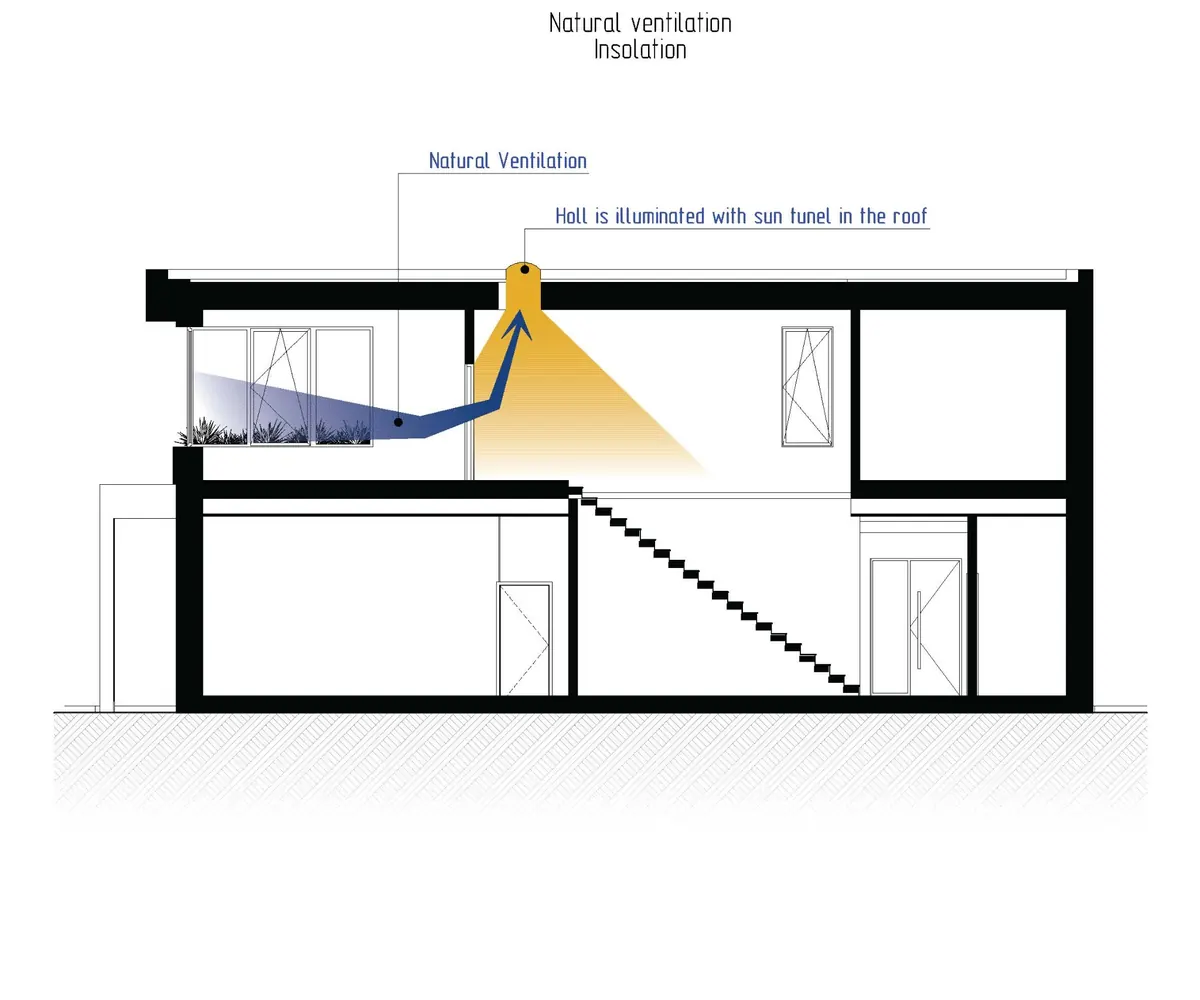 Breathing Walls and VentilationWhy walls should be vapour-safe but not air-leaky, and why fresh air belongs in controlled ventilation.Read page
 Dew Point ExplainedCondensation risk, wet insulation behaviour and why internal wall insulation needs special care.Read page
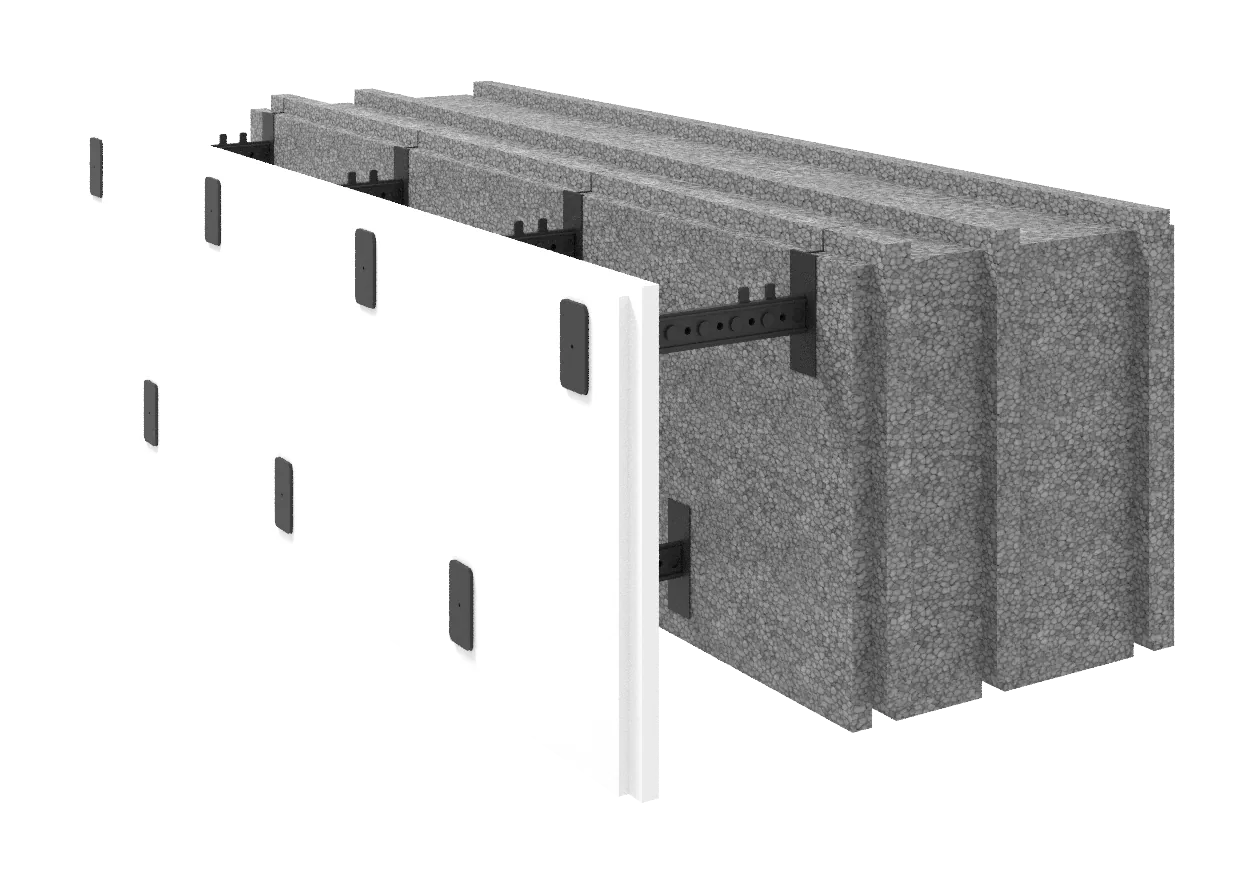
 Passive House Block WallsExterior insulation, reinforced concrete core and the build logic behind the main wall system.Read page
 Continuous Thermal EnvelopeHow insulation, airtightness and thermal-bridge control stay continuous around the building.Read page
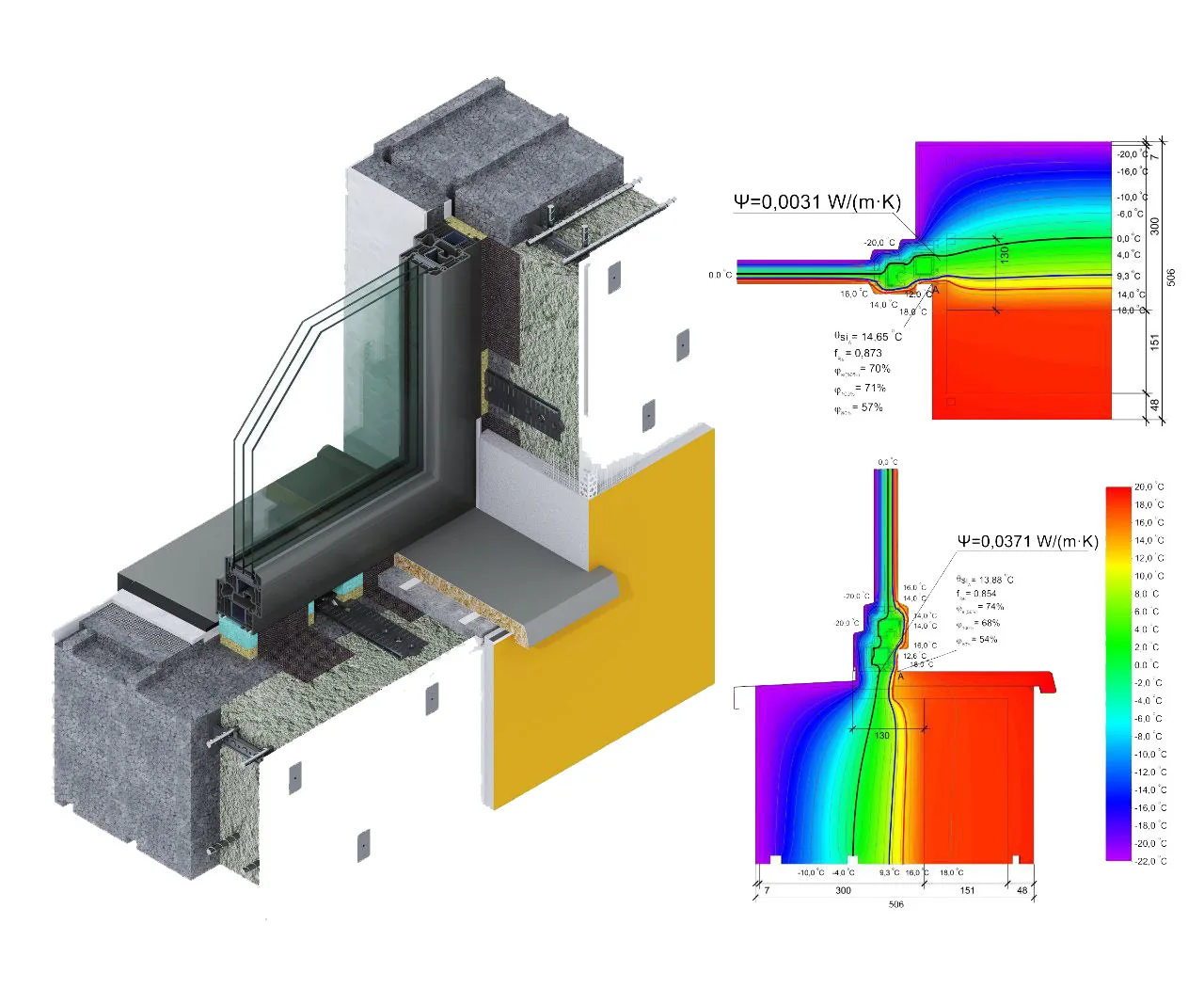 Warm Window & Door InstallationInstallation detail for frames, insulation-line connection and airtight-layer sealing.Read page
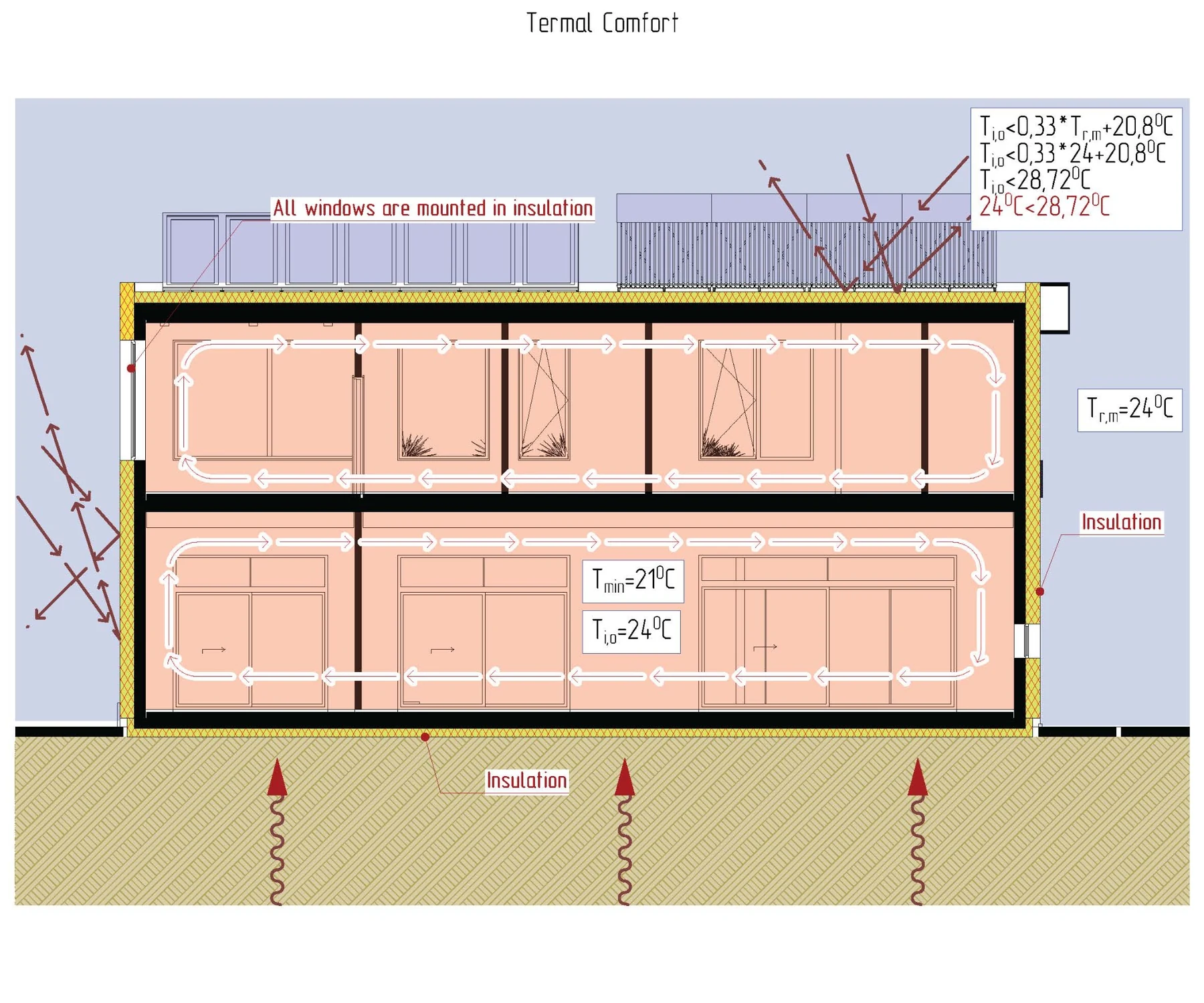 Insulated FoundationGround heat-loss control and continuity between the foundation and wall envelope.Read page
 Insulated Swedish Slab FoundationUShP as a warm base with continuous insulation, services and warm-floor heating.Read page
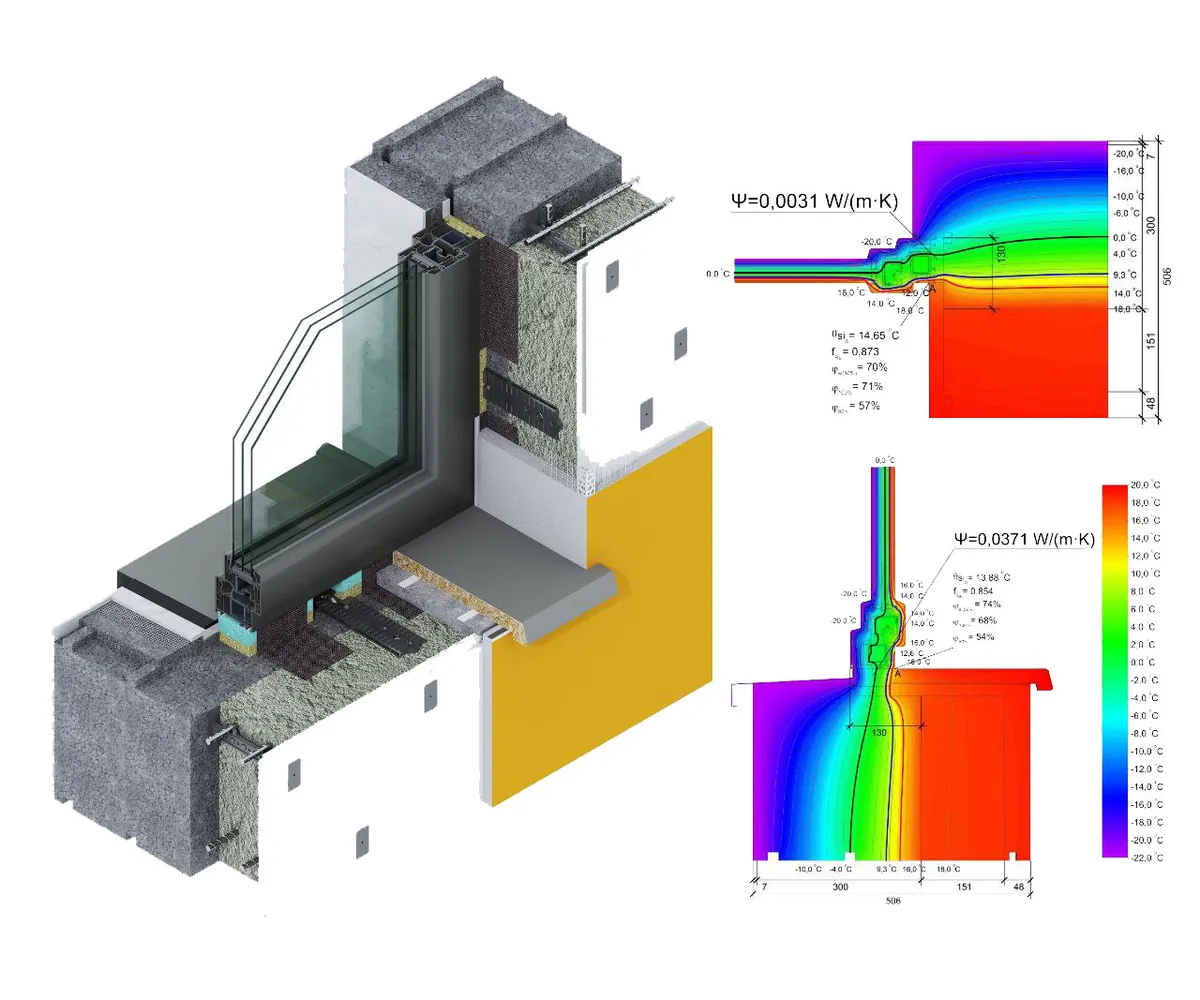 Warm Window InstallationWhy the frame belongs in the insulation plane instead of the structural wall edge.Read page