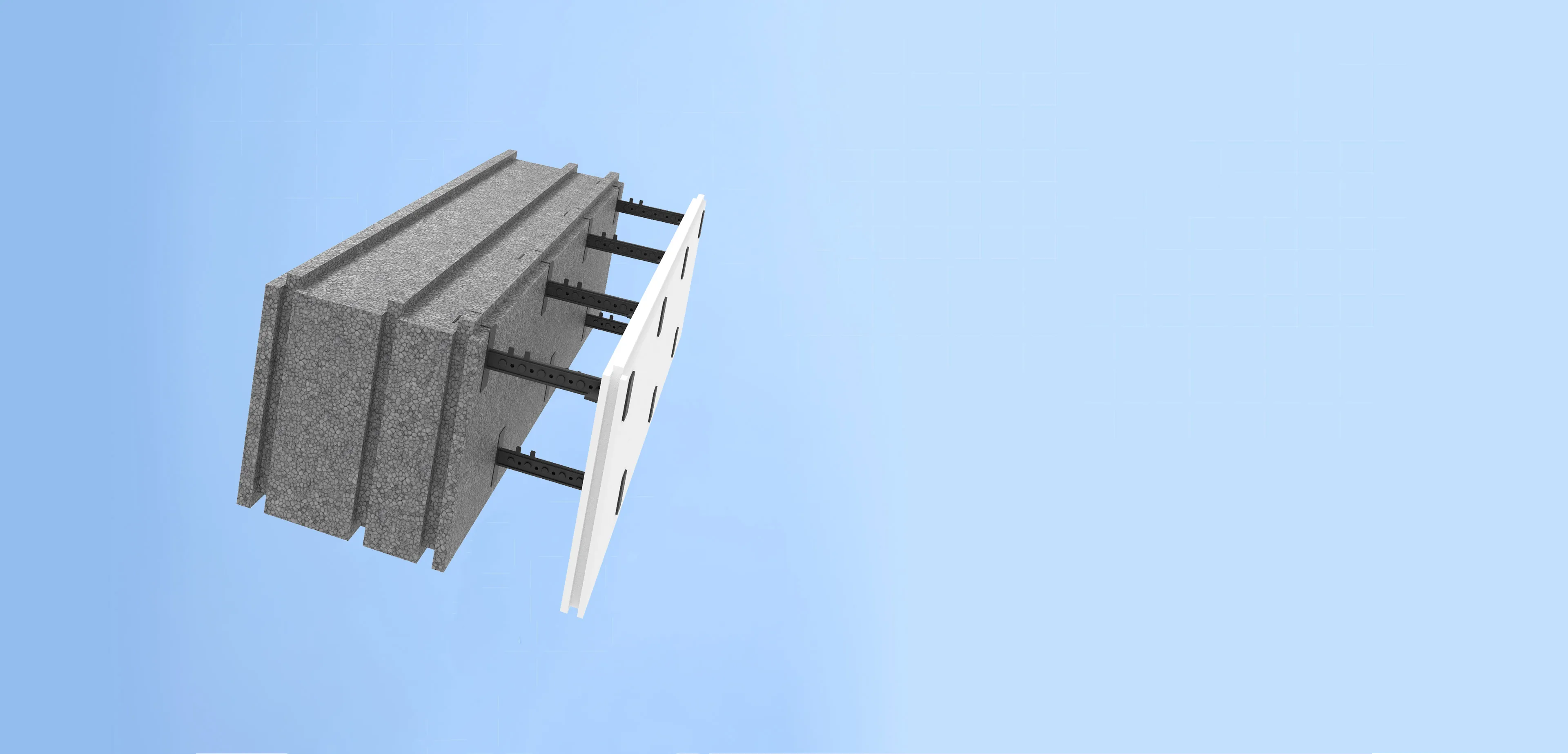
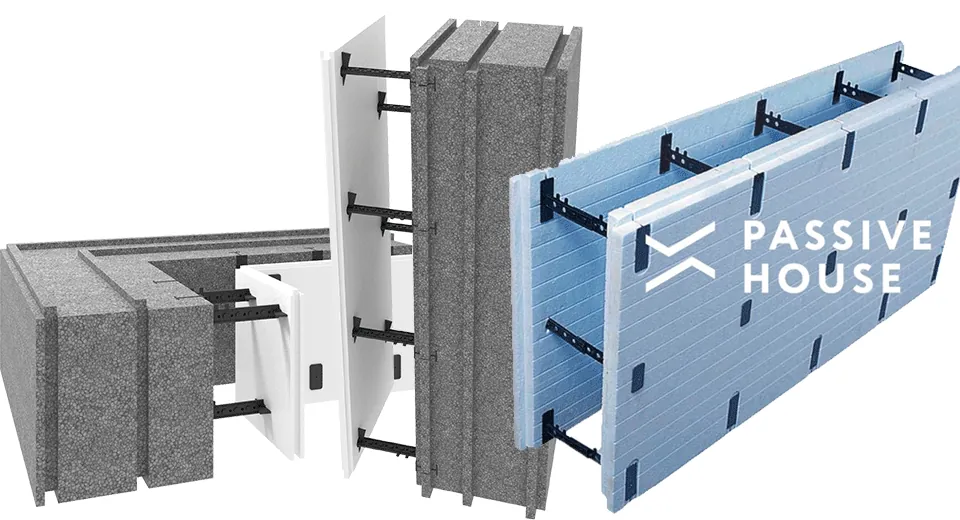
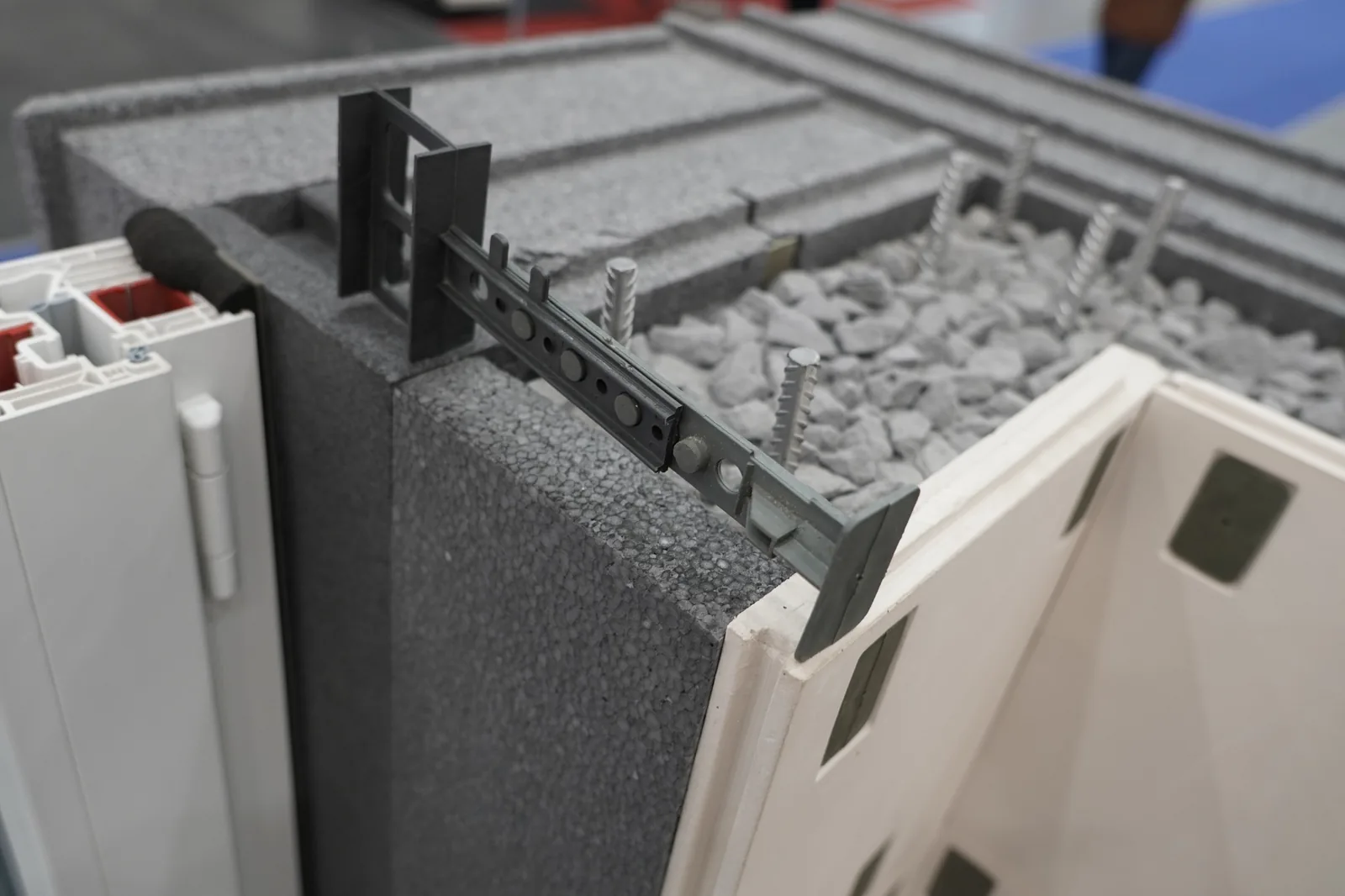
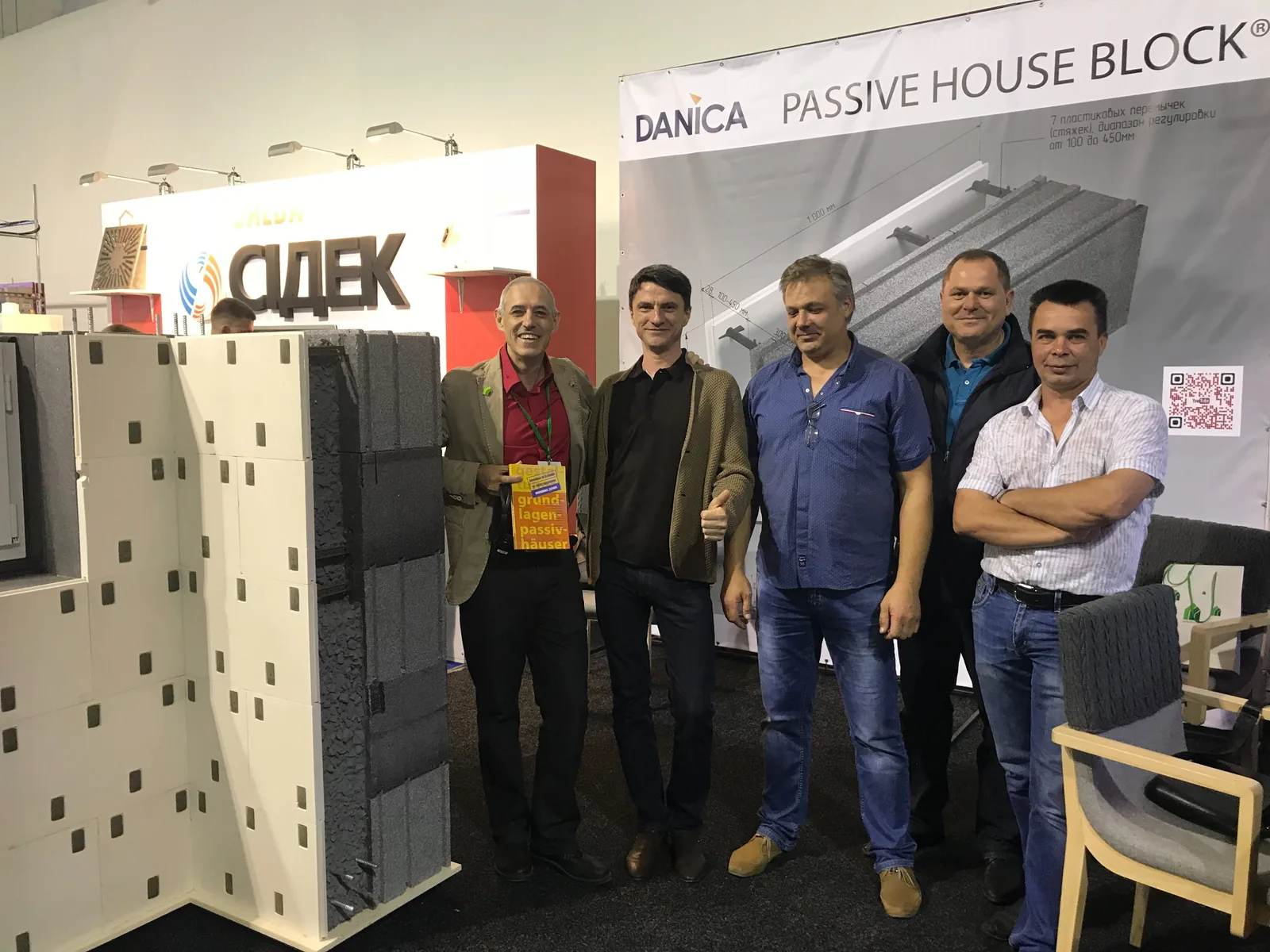
Passive House Block wall system for low-energy buildings

Products
4
Wall systems
Thickness options

Passive House Block is not presented as another construction block.

It is the core of a new way to build private homes: warm, dry, monolithic, high-inertia, autonomy-ready and practical to build even where conventional logistics are difficult.

System comparison
System comparison
ArrowArrow

0

1

2

3

4

5

9

7

8

9

0

0

1

2

3

4

5

6

7

5

9

0

%

Construction Speed Increase

0

1

2

3

4

5

2

7

8

9

0

0

1

2

3

4

5

6

7

5

9

0

0

1

2

3

4

5

0

7

8

9

0

+

Homes Built
Build Logic

What a Passive House Really Needs.

01
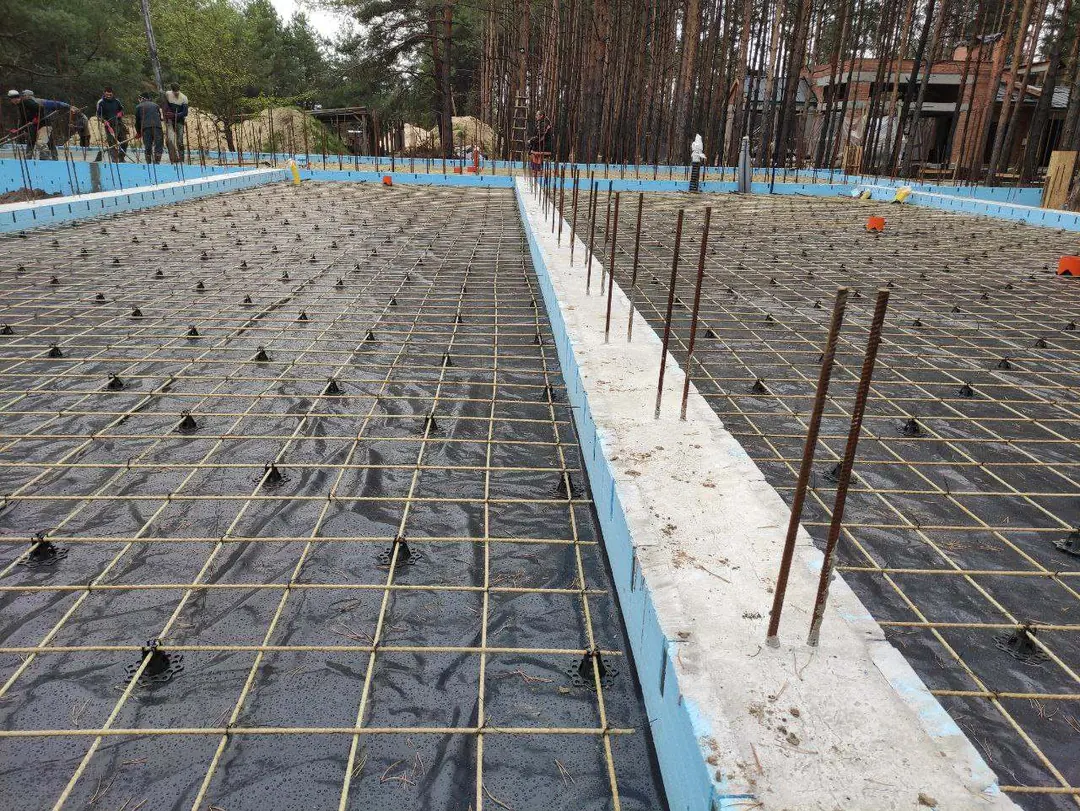
Riviera Passive House insulated slab preparation with reinforcement grid
Thermal base layer
02
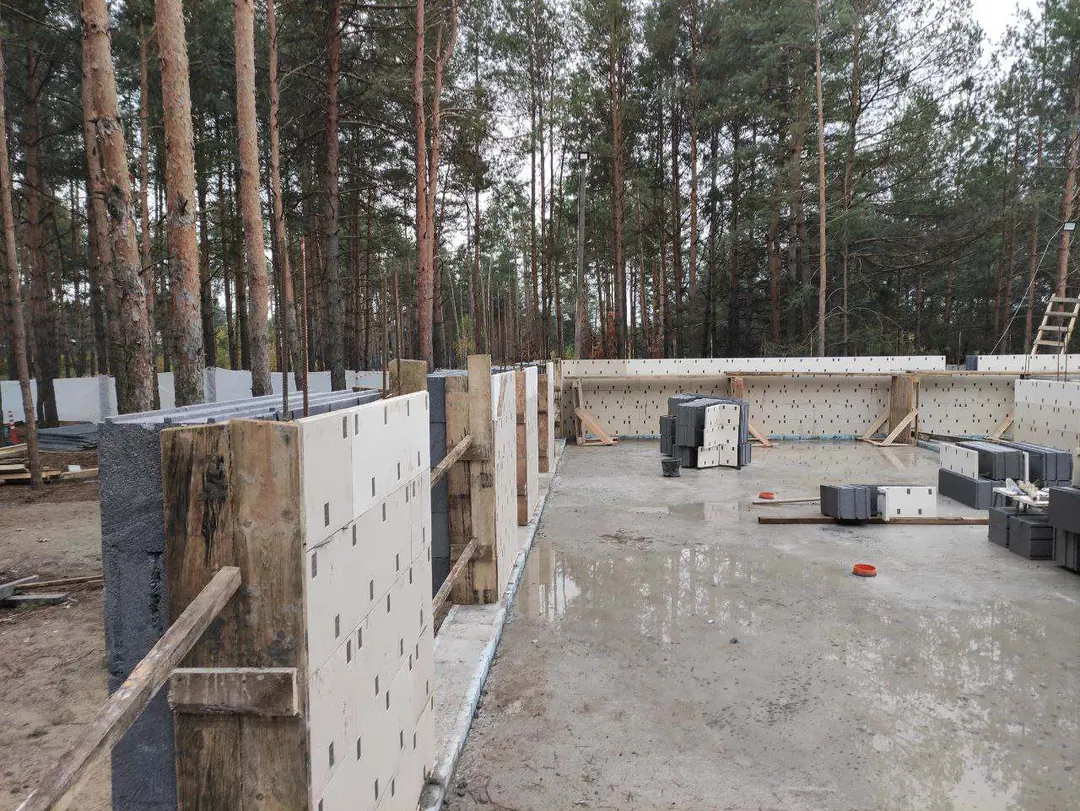
Passive House Block walls under construction at Riviera project
Monolithic insulated shell
03
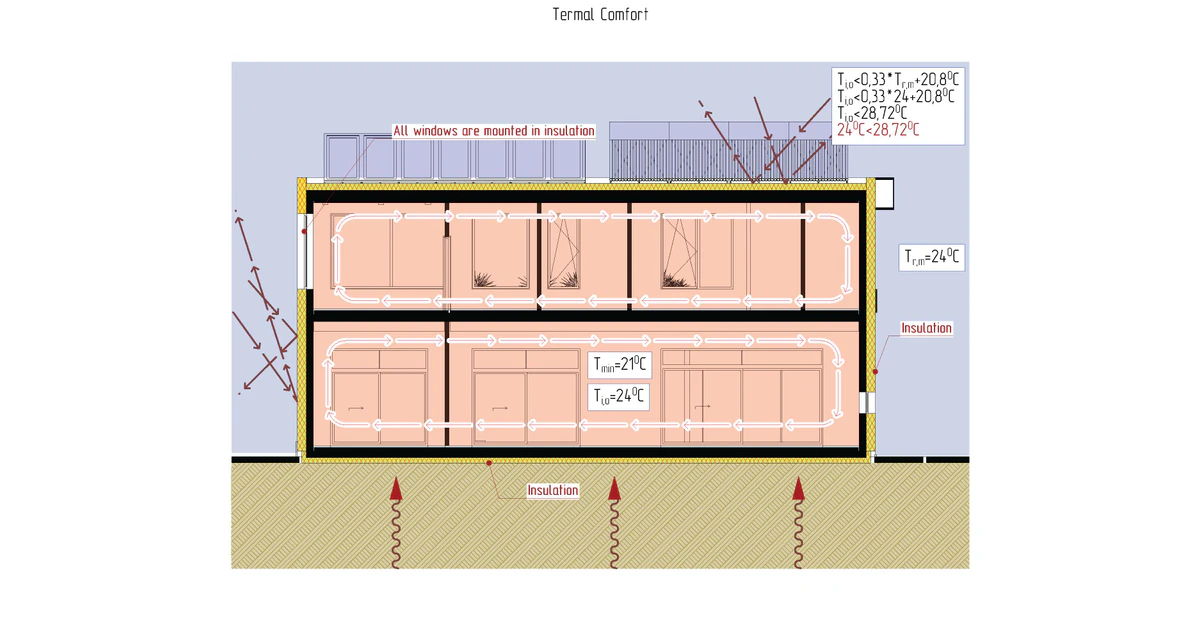
Continuous thermal envelope section showing exterior insulation around a passive house wall, windows and foundation
Airtightness + thermal continuity
04
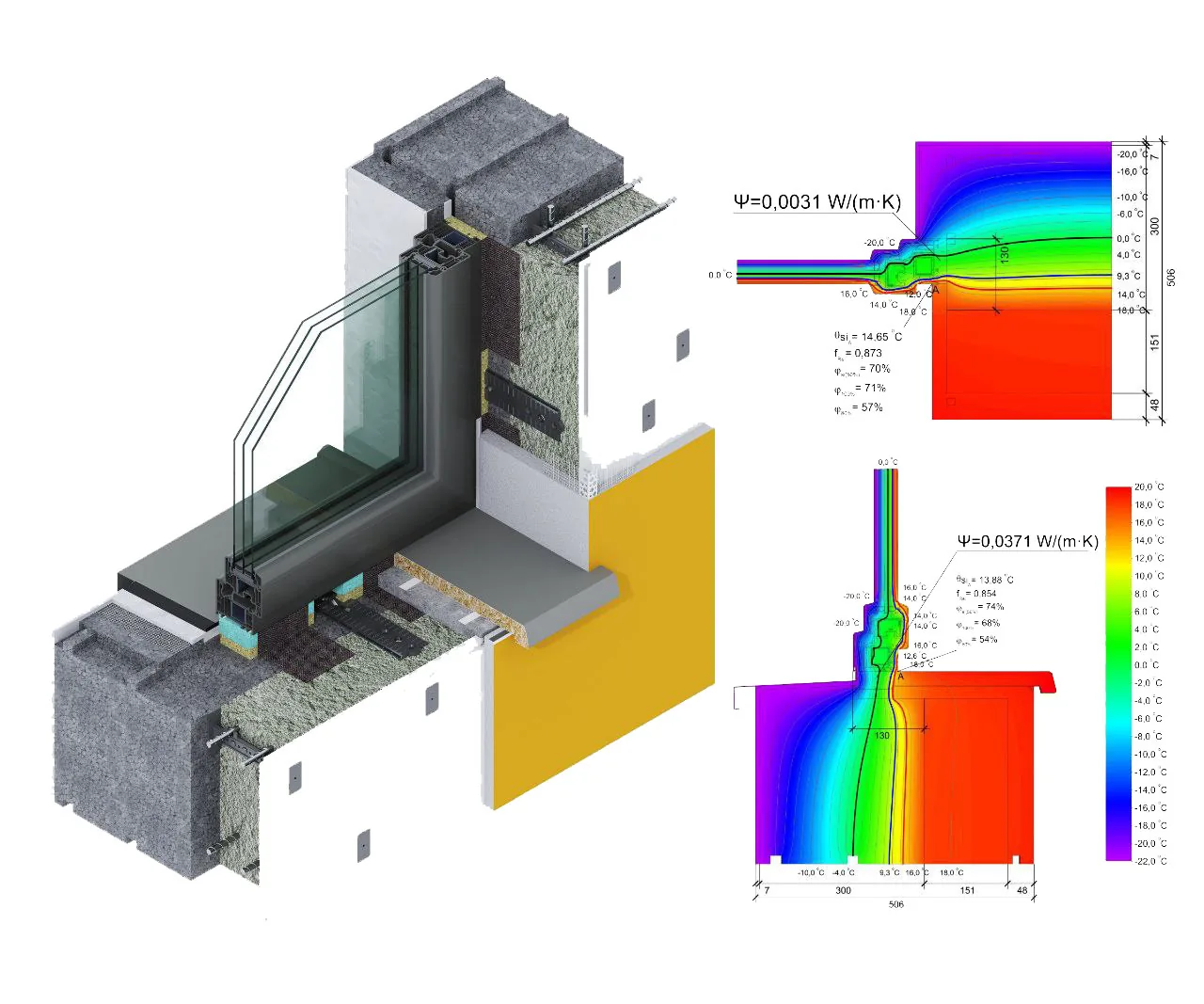
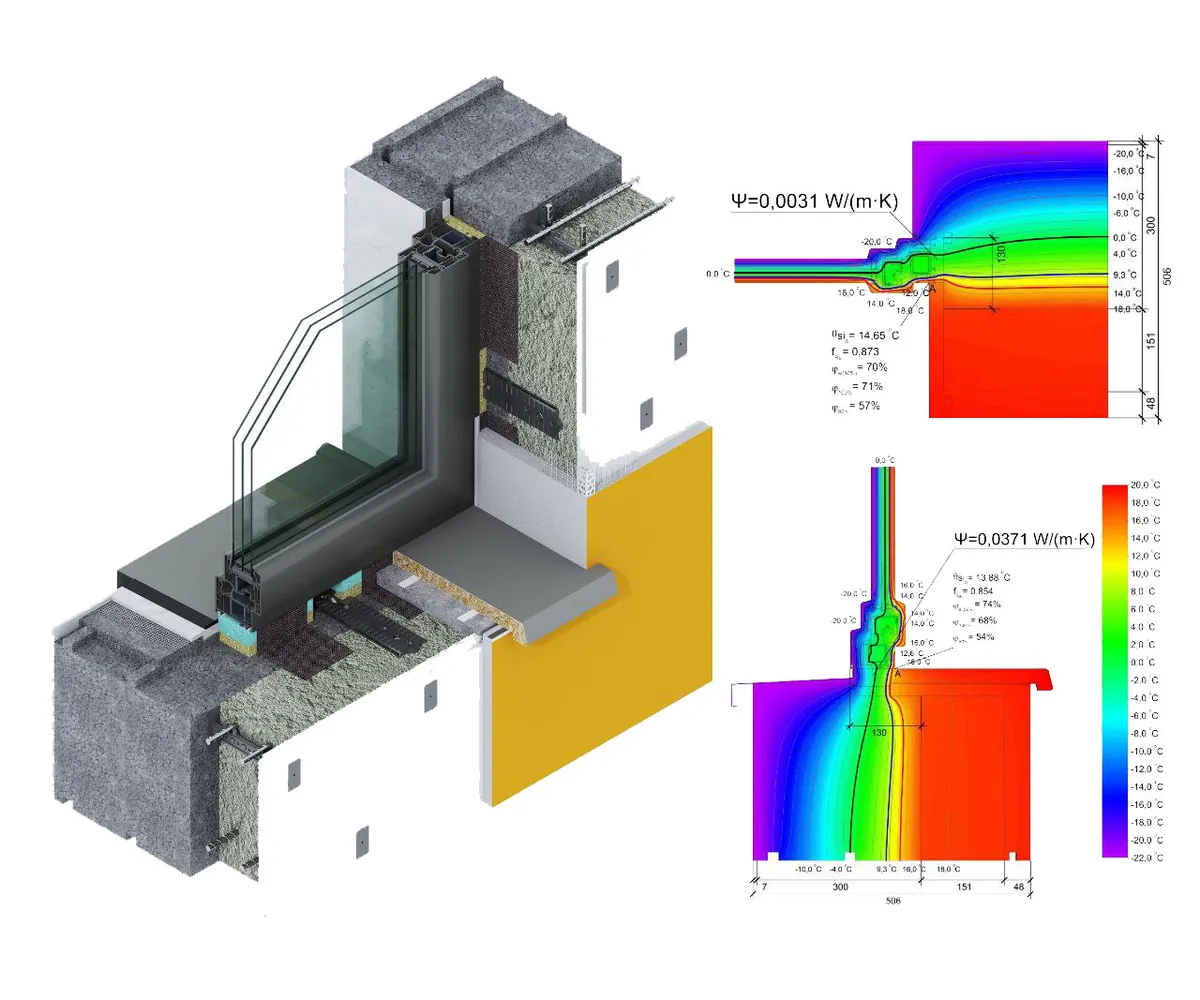
Thermal bridge detail showing a window installed in the exterior insulation layer of a passive house wall
Thermal-bridge control
05
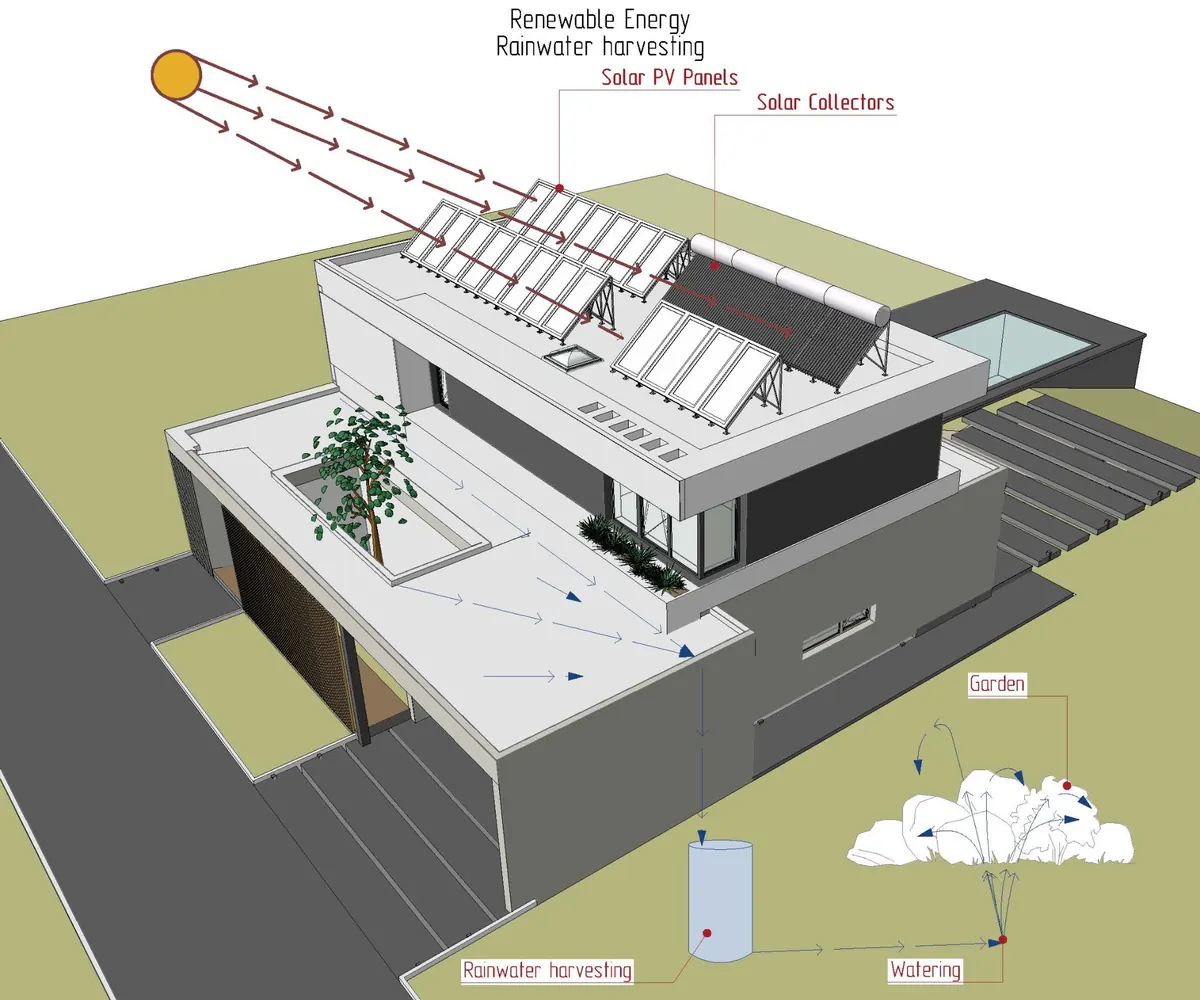
Renewable energy systems diagram for low-demand passive house operation
Ventilation · heat pump · solar
In Practice

Know-how & practical implementations.

Practical Passive House Block solutions, real-life details and buildable implementation notes from actual construction practice.

View In Practice
View In Practice
ArrowArrow
Thermal bridge detail showing a window installed in the exterior insulation layer of a passive house wall
Warm Window Installation: Moving the Frame Into the Insulation Layer

Why high-performance wall systems should place the window frame inside the insulation plane instead of leaving it on the structural wall edge.

Read This Article
FAQ

Frequently asked questions

Clear answers about Passive House Block, system selection and project planning.

How energy-efficient is the Passive House Block wall system?
Performance

Passive House Block is a high-performance insulated wall system with 150 to 300 mm insulation options. The 300 mm configuration reaches an indicative U-value of 0.107 W/m2K and RSI 9.38 for the insulation layer. Final results depend on the full wall build-up, junctions, airtightness and project calculation.

More Products
Which insulation thickness should I choose?
Thickness

Choose by climate, energy target, budget and wall strategy. Options are 150 mm Energy+, 200 mm NZEB, 250 mm NZEB+, and 300 mm Passive House Block for passive-house-oriented envelope targets.

More Products
Why not just use a heat pump, solar panels and better HVAC?
Systems

Efficient equipment matters, but a weak envelope makes it work harder. First reduce demand with insulation, airtightness and thermal-bridge control; then heat pumps, solar and ventilation can run with smaller loads, lower costs and less stress.

More Products
Why is airtightness so important?
Airtightness

Airtightness preserves real wall performance by limiting uncontrolled air leakage. It improves comfort, reduces heating and cooling demand, supports heat-recovery ventilation and lowers condensation risk inside the structure.

More Products
How is Passive House Block different from brick, gas block, SIP or frame construction?
Structure

Passive House Block combines insulation with a monolithic concrete core in one wall system. The real comparison is the complete shell: structure, insulation, airtightness, facade strategy, weak-point control and long-term operation.

System comparison