





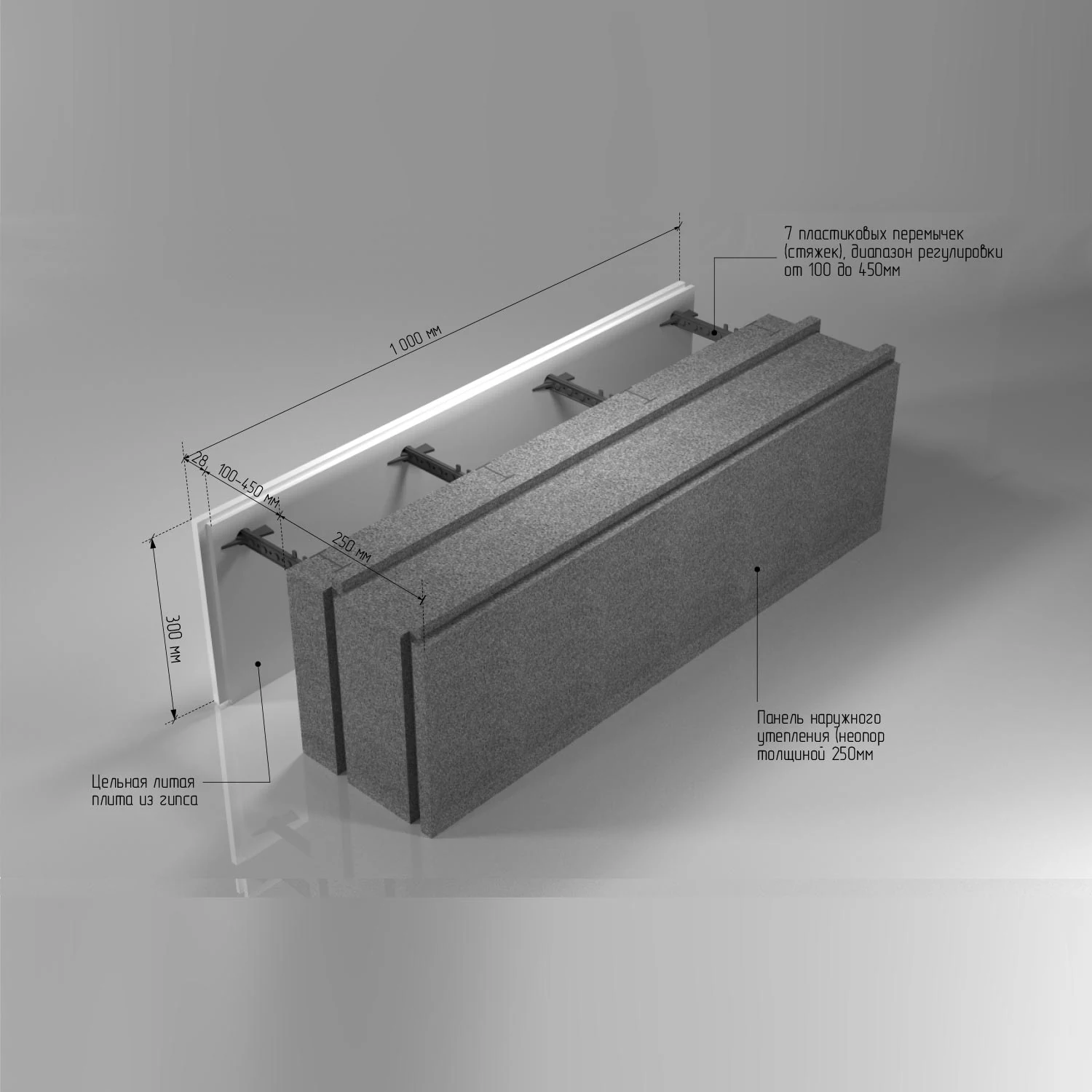


Wall Performance
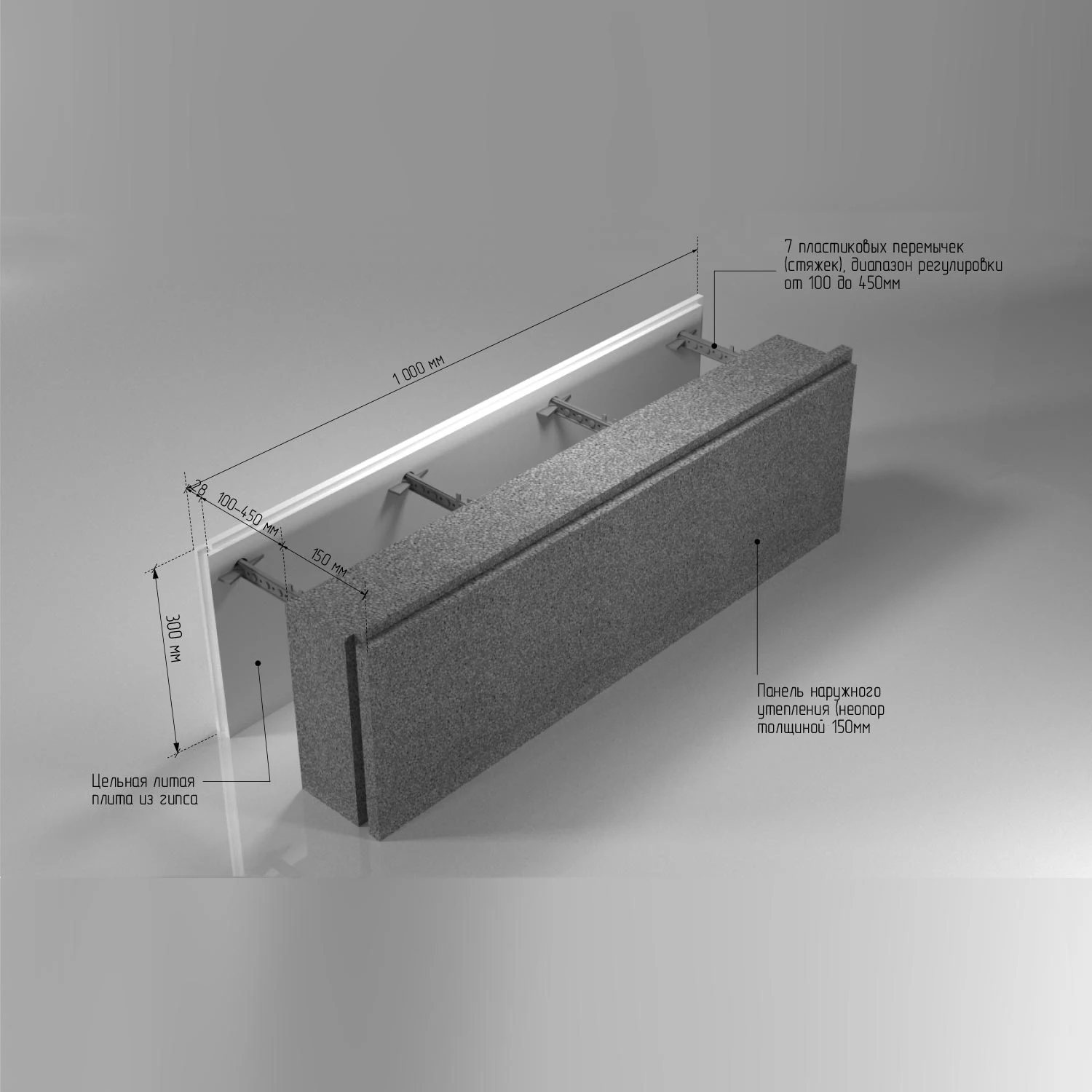
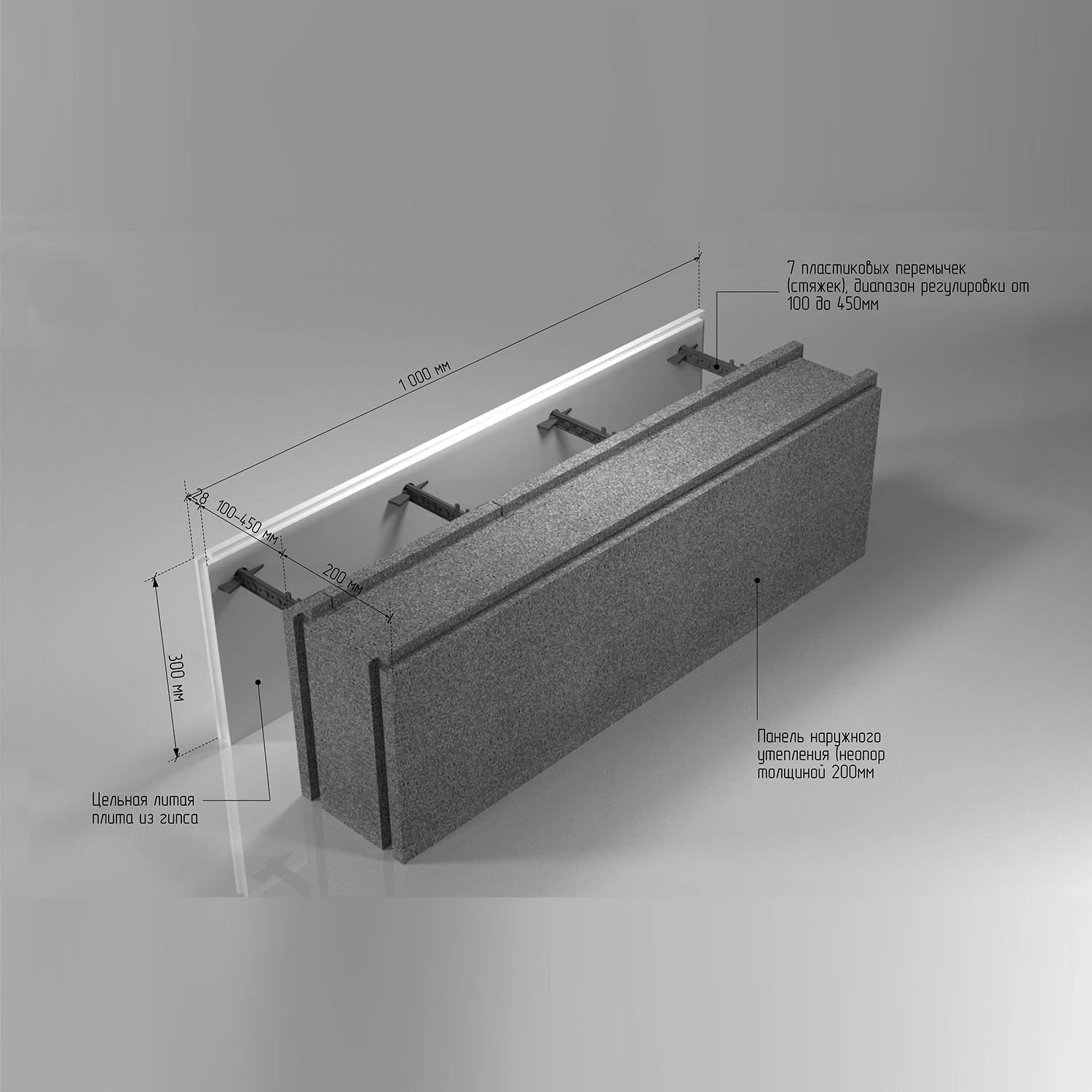
Four insulation thicknesses position the system from above-code performance to Passive House-oriented cold-climate wall assemblies.
Build Logic
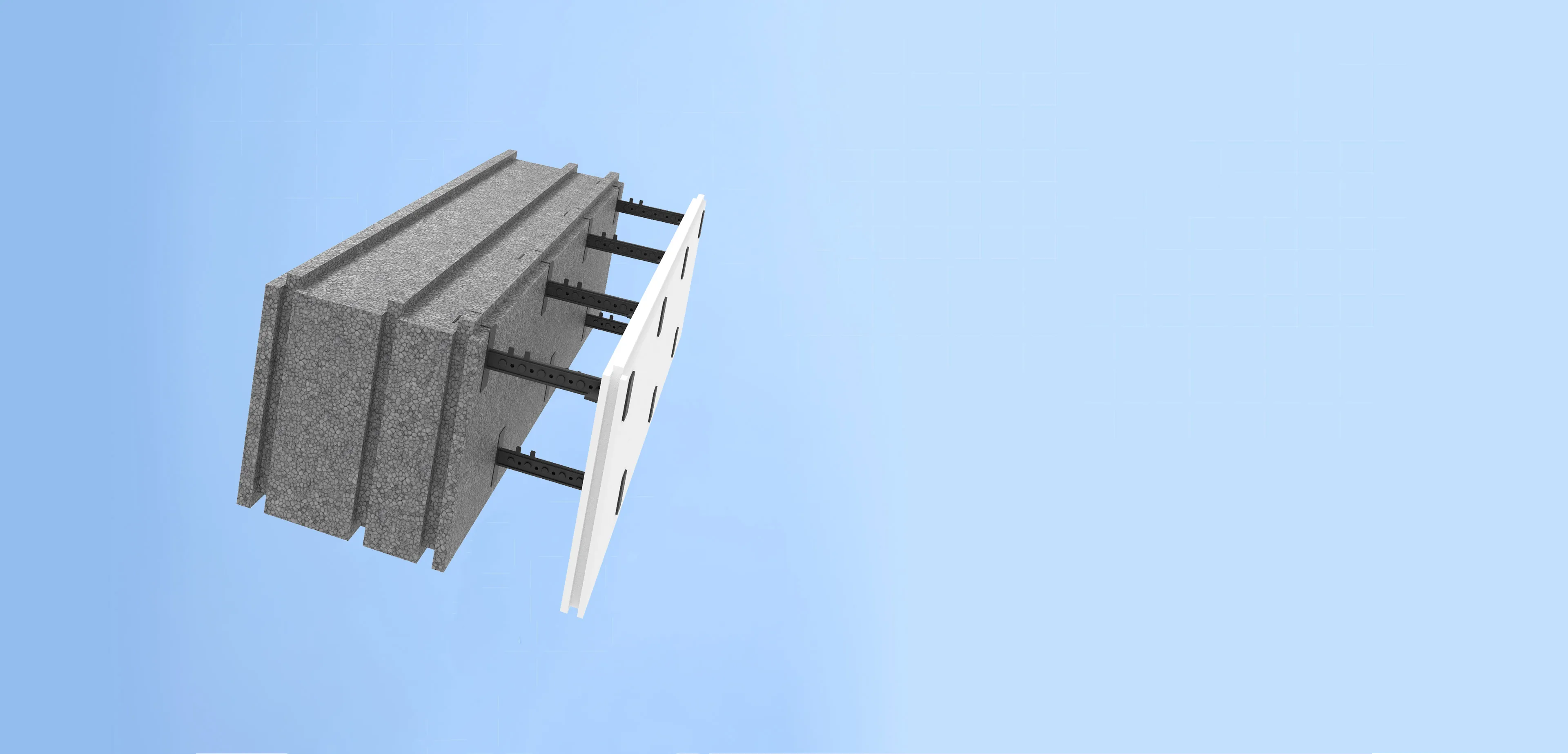
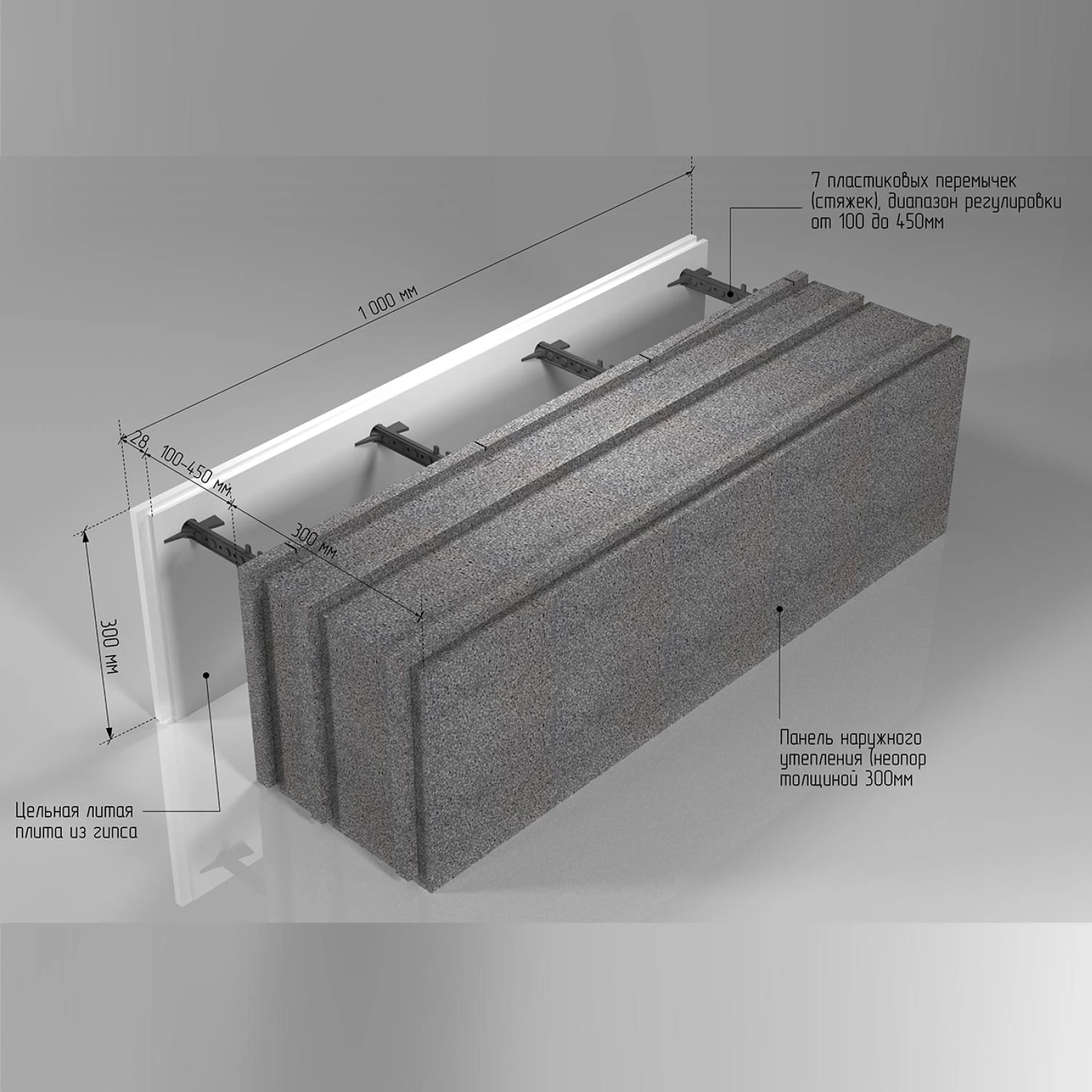
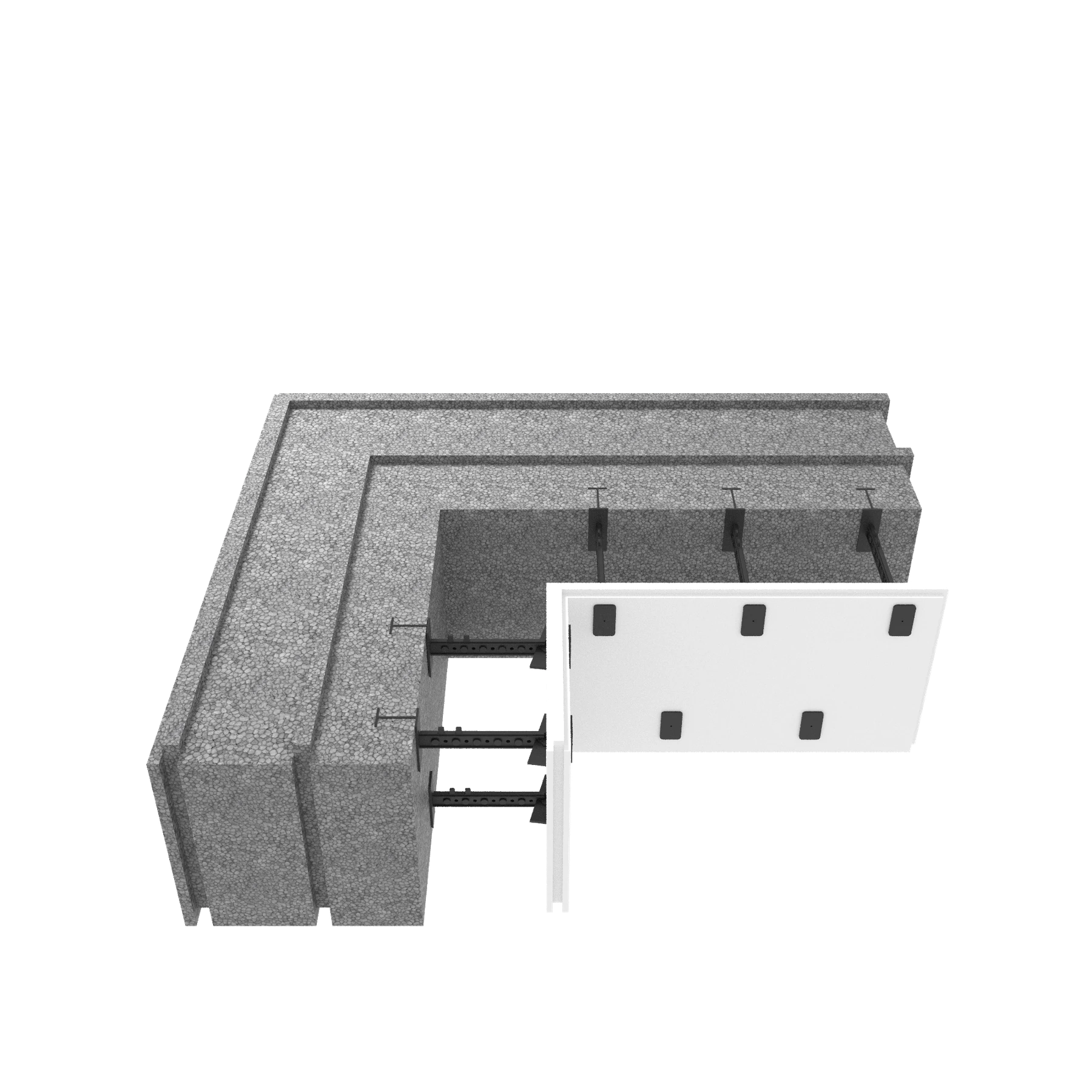
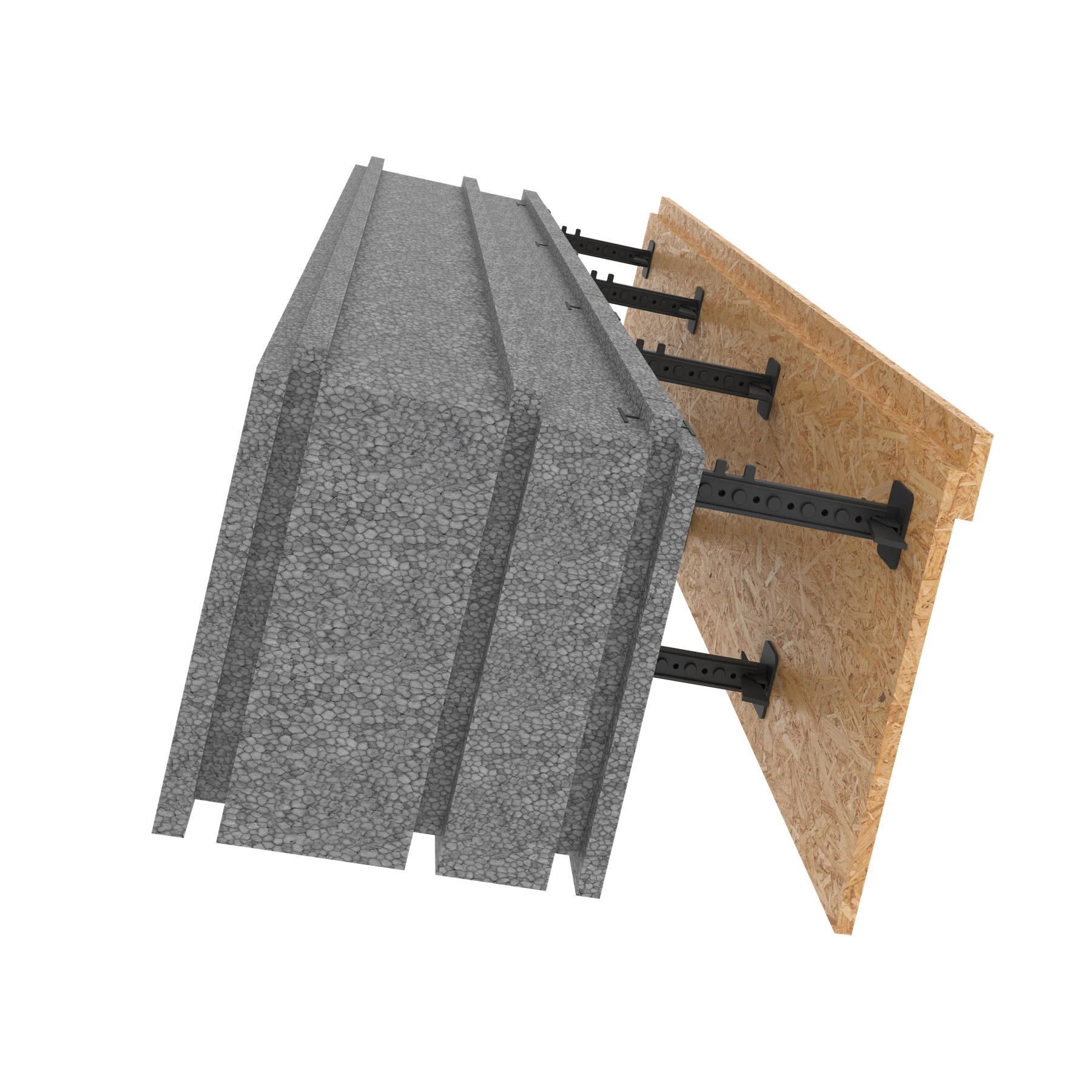
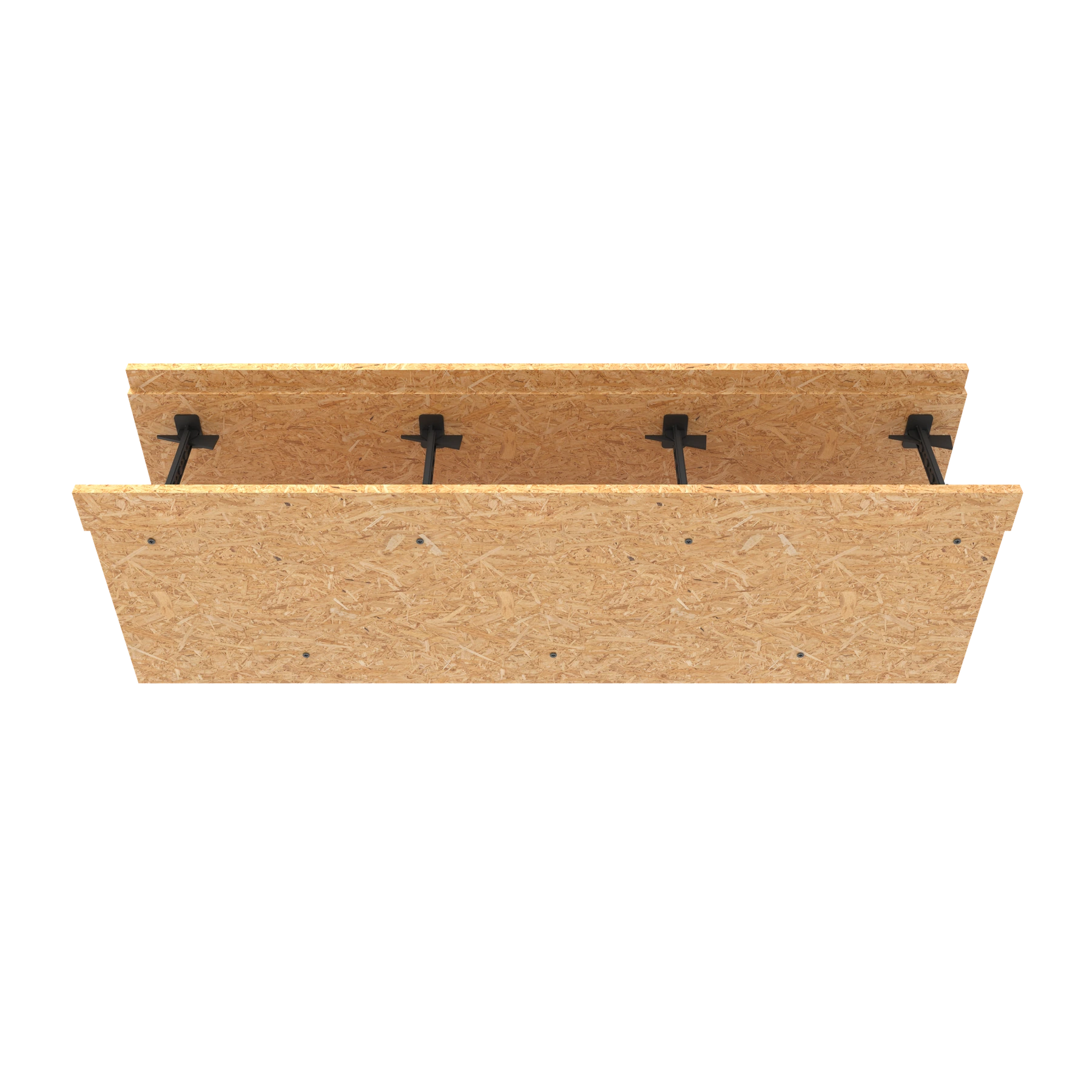
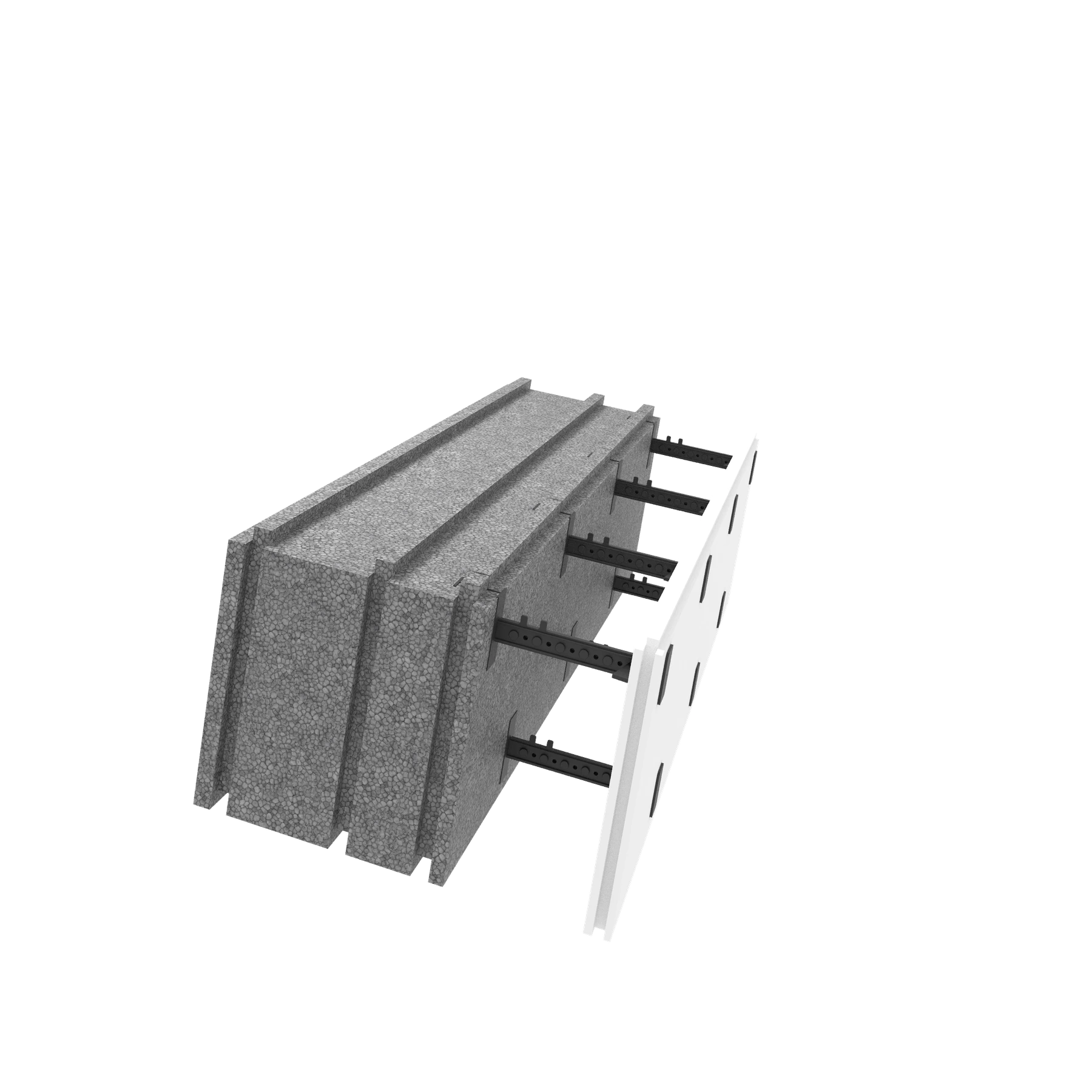
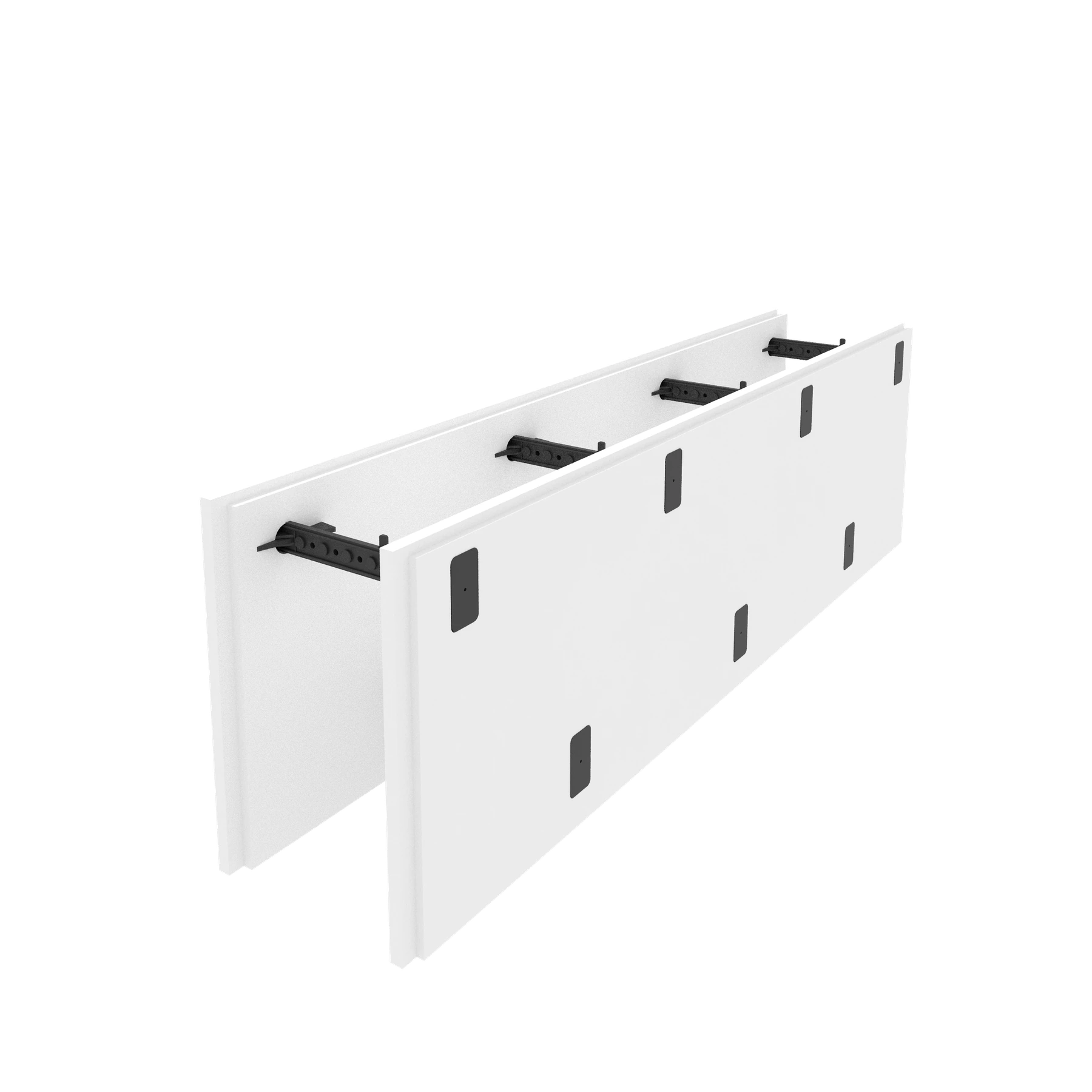
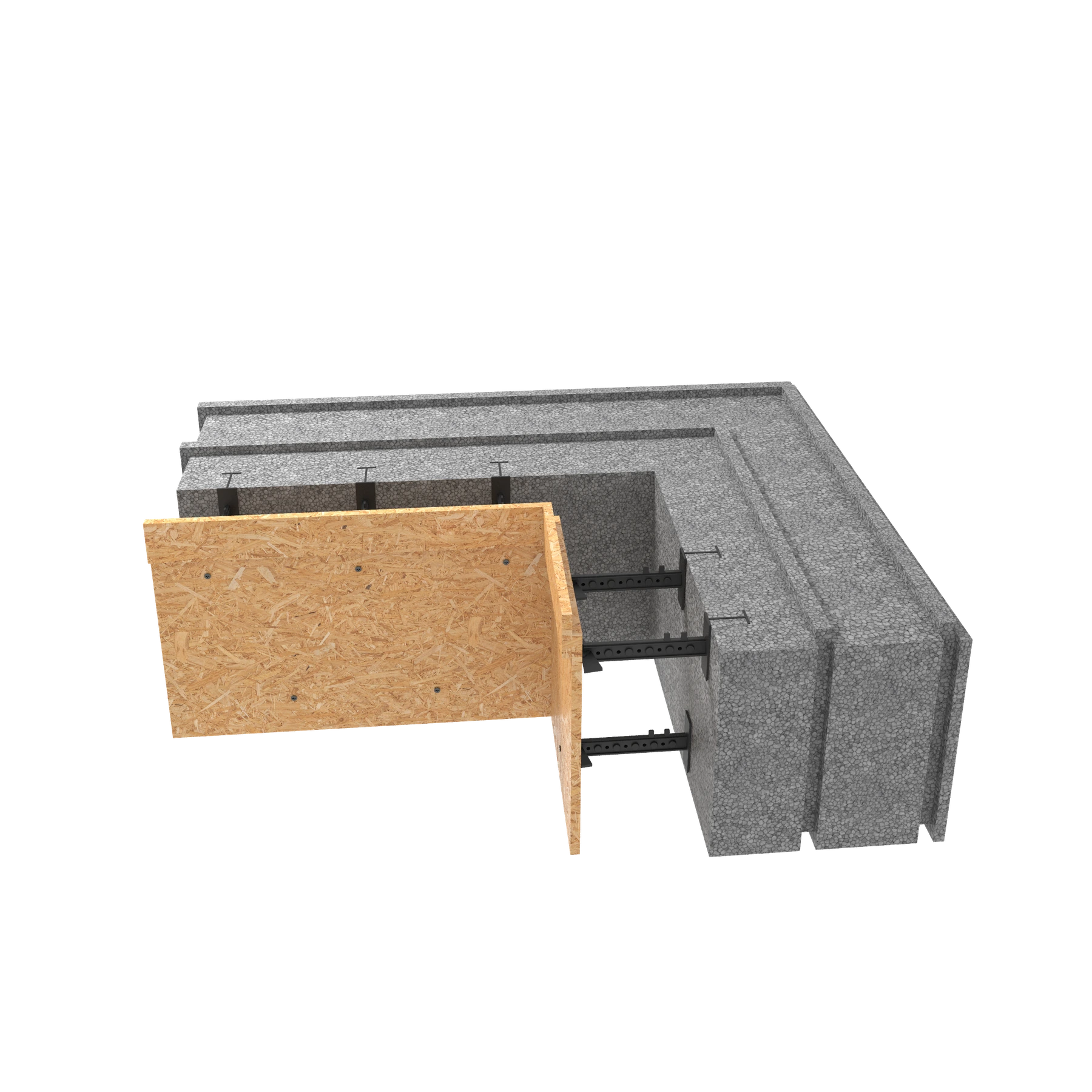
Straight, corner and interior wall variants share one assembly language across gypsum-board and removable OSB formwork options.

Passive House Block products
Passive House Block wall systems are compared against international wall-performance benchmarks, including UK Part L, German GEG, EU/Croatia nZEB context, US IECC R-value language, and Passive House Institute component criteria.
Values are indicative and calculated for the insulation layer. Final wall U-value must be verified for the complete wall build-up according to EN ISO / HRN EN ISO 6946, including concrete core, finishes, geometry, junctions and thermal bridges.
Turn the product family into a buildable wall package.
Send your target U-value, climate zone and wall plan. We will map insulation thickness, formwork type and junction priorities into one envelope direction before detailing starts.
Frequently asked questions
What to know before choosing a block format or wall-system target.
How energy-efficient is the Passive House Block wall system?
Passive House Block is a high-performance insulated wall system with 150 to 300 mm insulation options. The 300 mm configuration reaches an indicative U-value of 0.107 W/m2K and RSI 9.38 for the insulation layer. Final results depend on the full wall build-up, junctions, airtightness and project calculation.
More ProductsWhich insulation thickness should I choose?
Choose by climate, energy target, budget and wall strategy. Options are 150 mm Energy+, 200 mm NZEB, 250 mm NZEB+, and 300 mm Passive House Block for passive-house-oriented envelope targets.
More ProductsWhy not just use a heat pump, solar panels and better HVAC?
Efficient equipment matters, but a weak envelope makes it work harder. First reduce demand with insulation, airtightness and thermal-bridge control; then heat pumps, solar and ventilation can run with smaller loads, lower costs and less stress.
More ProductsWhy is airtightness so important?
Airtightness preserves real wall performance by limiting uncontrolled air leakage. It improves comfort, reduces heating and cooling demand, supports heat-recovery ventilation and lowers condensation risk inside the structure.
More ProductsHow is Passive House Block different from brick, gas block, SIP or frame construction?
Passive House Block combines insulation with a monolithic concrete core in one wall system. The real comparison is the complete shell: structure, insulation, airtightness, facade strategy, weak-point control and long-term operation.
System comparison